Do saltwater crocodiles inhabit Katherine Gorge?
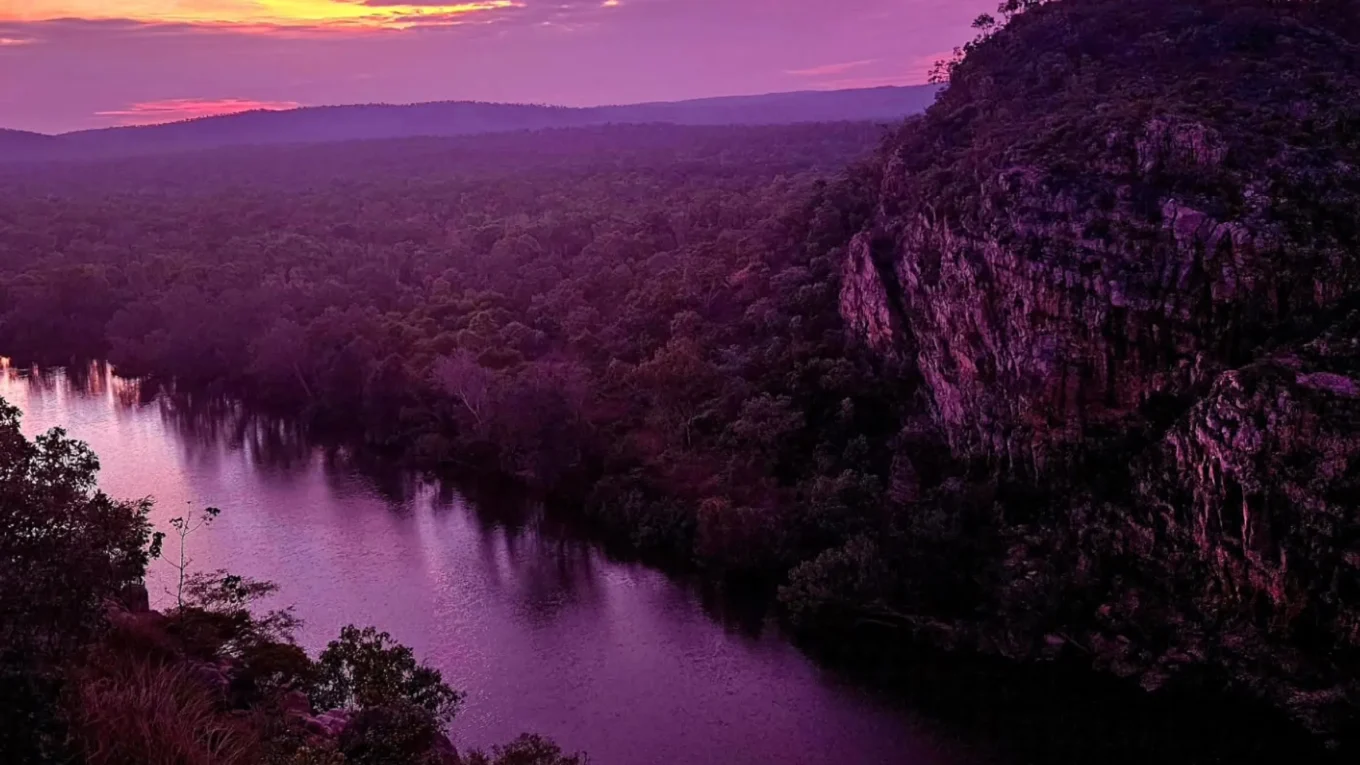
Katherine Gorge, in Nitmiluk National Park, Northern Territory, Australia is a beautiful destination for its deep gorges, waterfalls, Aboriginal rock art, hiking, boat cruises and swimming. A common question for visitors is do saltwater crocodiles live in the gorge?
Saltwater Crocodiles vs Freshwater Crocodiles
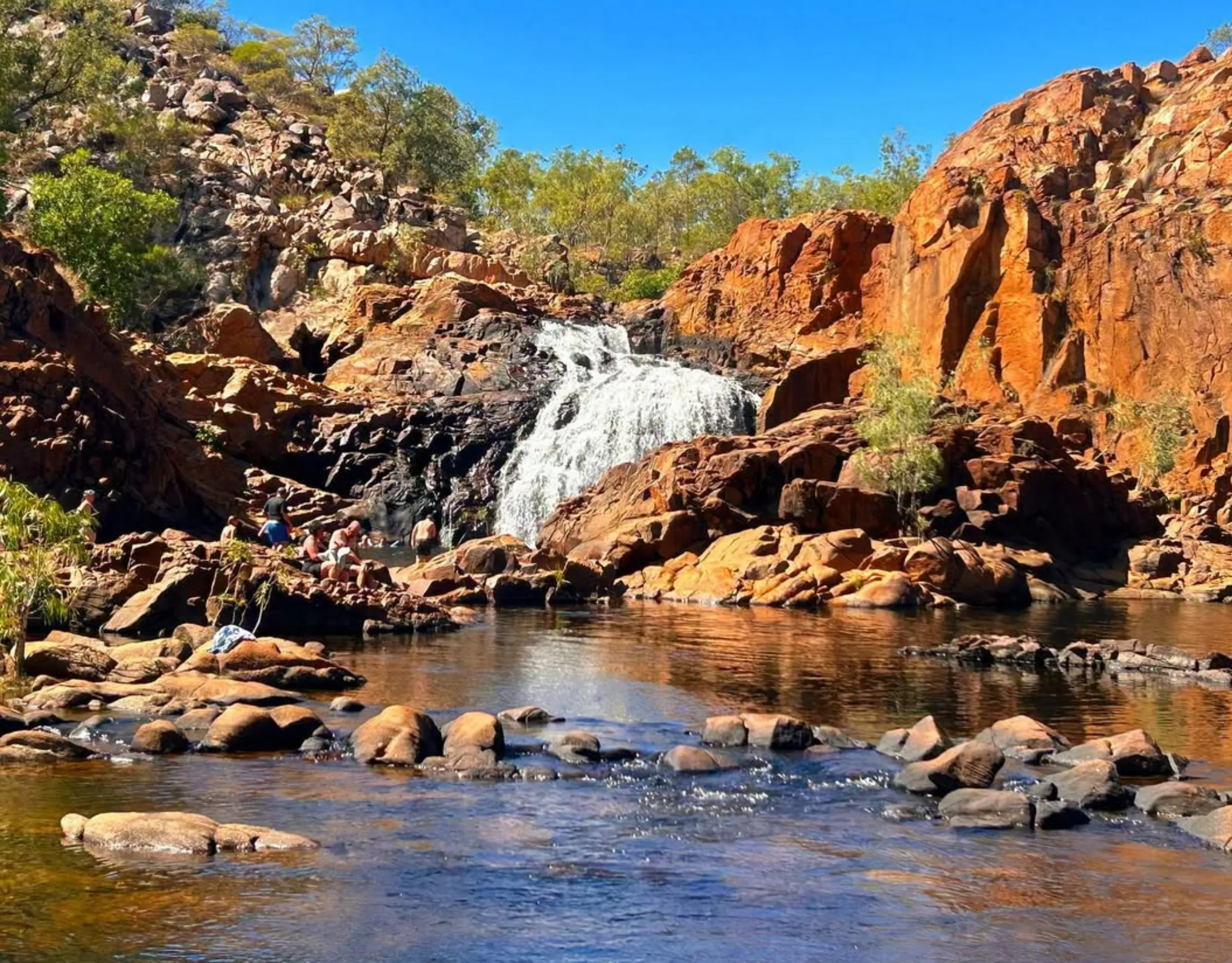
Katherine Gorge is home to freshwater crocodiles which are generally non-aggressive towards humans. These are smaller, shy and more likely to avoid human contact. However during the wet season (November to April) saltwater crocodiles (also known as “salties” or saltwater crocs) can travel up from the coast and enter the gorge at the entrance.
Freshwater crocodiles live in most of the gorge all year round and are often seen basking on the edge of the water especially in cooler months. They tend to avoid deeper plunge pools and areas with higher water levels or human activity.
Crocodile Management in Nitmiluk National Park
To ensure visitor safety, Parks and Wildlife rangers have a rigorous crocodile management program. After each wet season and at the start of the breeding season, wildlife rangers conduct crocodile surveys using a combination of on-foot patrols and aerial surveys. Any sightings of wild crocodiles are followed by immediate action.

Rangers place permanent traps and active traps at the gorge entrance, boat ramp and other strategic points around key water bodies. Their aim is to ensure crocodile safety throughout the tourist gorge and wider areas of the accessible gorge.
This is especially important during the warmer months when river levels are higher and the gorge is a suitable habitat for salties. In the dry season, water levels drop and the water is cooler so certain areas can be opened for public access.
Is it Safe to swim in the Gorge?
Swimming is only permitted in designated areas of the entire gorge, mainly during the dry season (May to October). Before these areas are opened, wildlife rangers do inspections and remove any crocodiles found in the area. Safety signs and alerts are always posted at major access points.
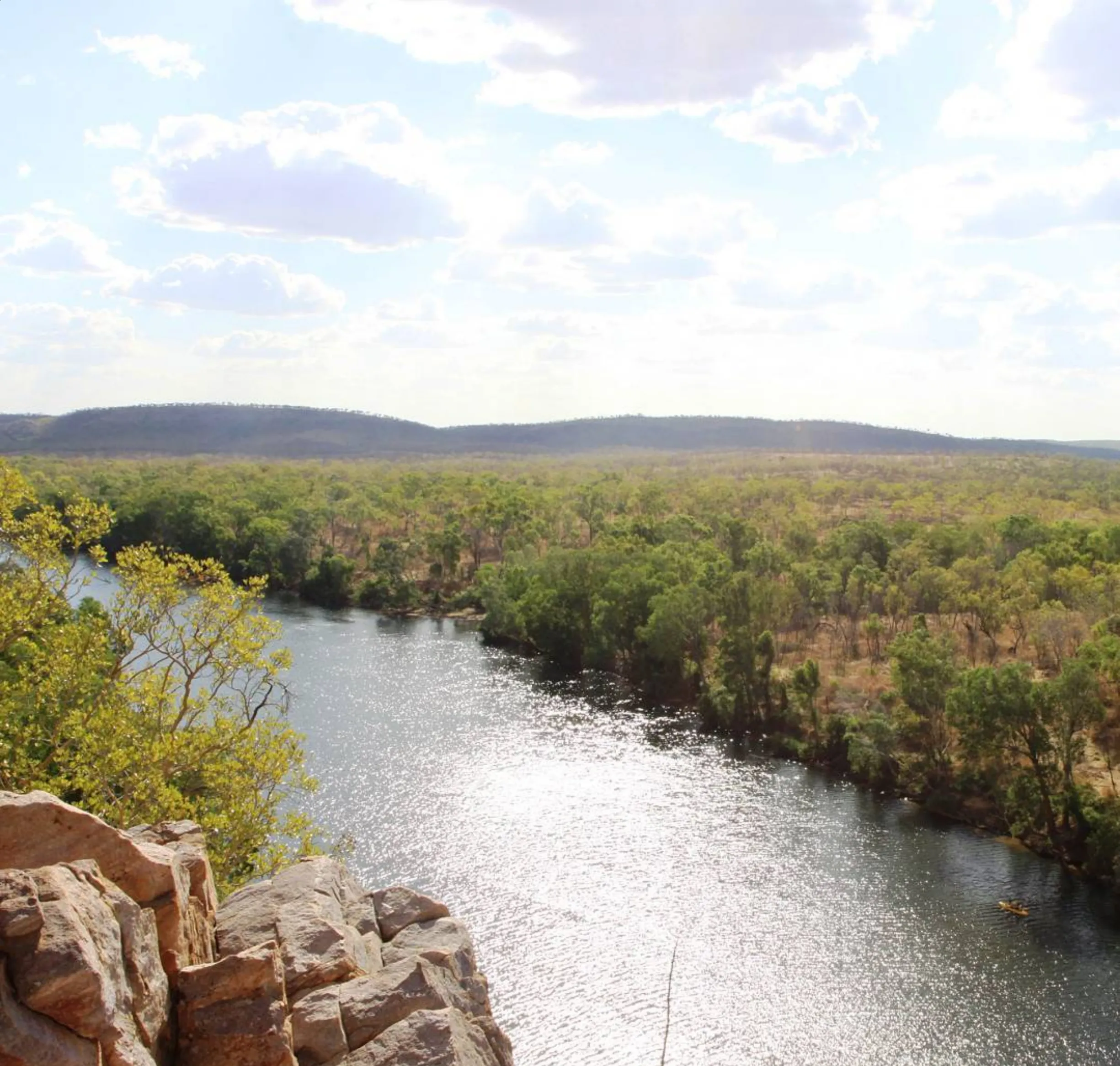
Upper pools, rock pools and plunge pools in the higher tiers of the gorge are the popular swimming spots during the dry season. These elevated areas have lower water temperatures and are less favourable to crocs and generally safer for visitors. Or the thermal pool at Mataranka.
Safest Way to See the Gorge
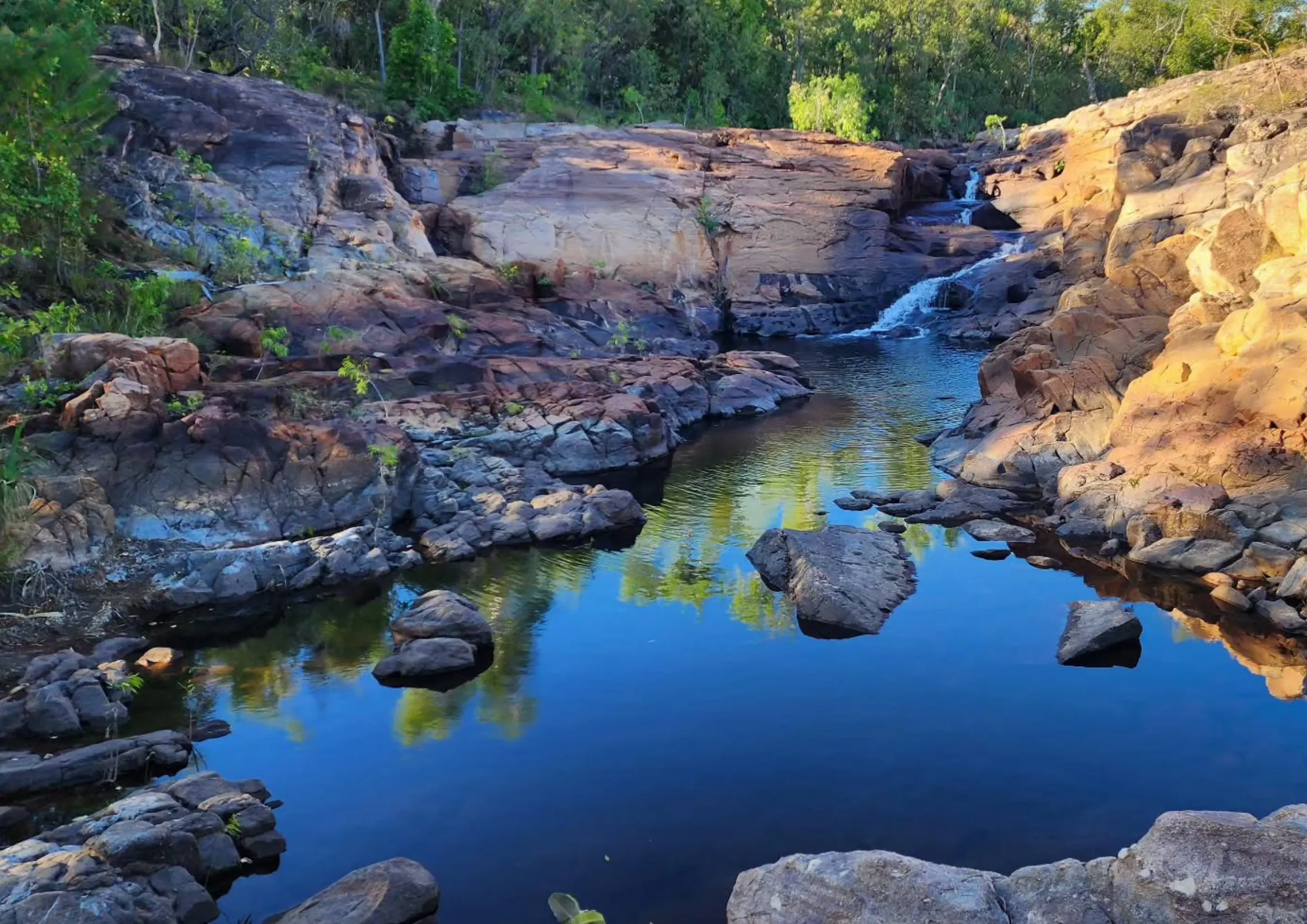
Katherine Gorge tours are the most-safe and informative way to see the area. Boat cruises run daily and get up close to the gorge’s sandstone cliffs and freshwater habitats. Scenic helicopter flights see the whole gorge in all its glory and are a real showstopper.
Taking a Katherine gorge tour with a guide is even better, especially when learning about the unique wildlife and geology of the area.
Guided walking tours and cultural experiences, often led by a Jawoyn traditional owner, give insight into the ancient relationship between people and place. Learning about the land adds depth to any visit.
Nearby tour destinations include Leliyn (Edith Falls), Cutta Cutta Caves Nature Park and the thermal pools of Mataranka. These are often part of multi-day road trip itineraries through the Top End. If you’re comparing trip price and value, a package from Wildlife Tours is a smart choice.
Many Darwin tours include Katherine Gorge on their itinerary so it’s a convenient and enriching day trip or overnighter.
Crocodile Behaviour
Saltwater crocs are powerful, patient predators. They have a highly developed sense of smell and a very low resting heart rate which helps them conserve energy and stay hidden in the water. They are most common during the breeding season when their range extends far inland to find a mate.
The biggest crocodile ever recorded in the gorge was over 4m long. It was caught and relocated during a post-wet season crocodile survey near the boat ramp. Encounters like this highlight the importance of monitoring.
Crocodile experiences in the Northern Territory range from spotting freshwater crocs basking on rocks to viewing massive salties in enclosures. But safety should always be your top priority. Wild crocodile encounters without a professional guide are strongly discouraged.
Conclusion
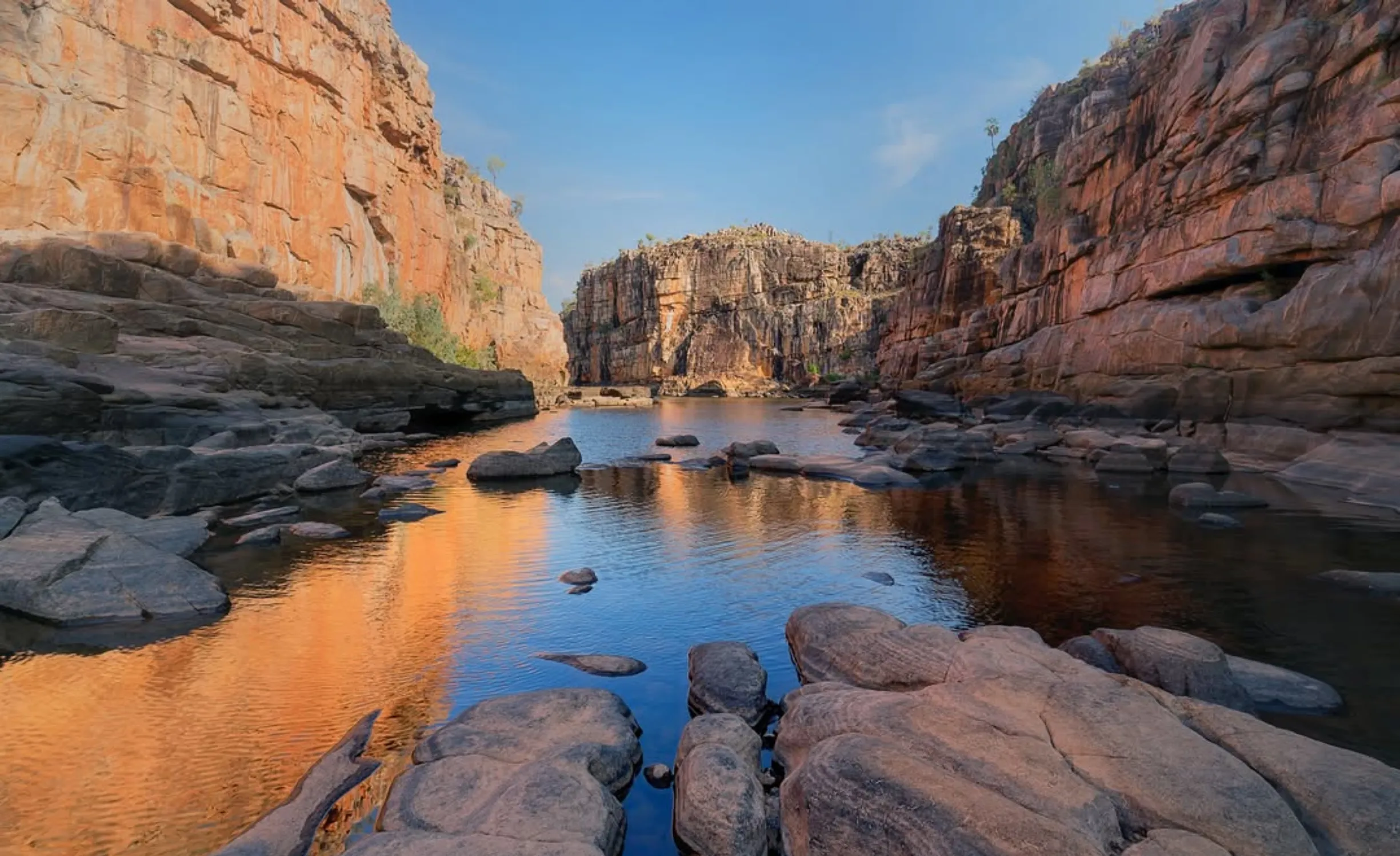
While saltwater crocodiles can be present in Katherine Gorge during the wet season, a combination of aerial surveys, ranger patrols and strategic trapping means the gorge is safe during the dry season. The work of the rangers, especially in crocodile safety, means you can visit this amazing natural wonder with confidence. Road trips, boat cruises, cultural tours and thermal pools – the Katherine region has it all. Adventure or relaxation, the gorge and surrounding area is a real Aussie experience. Katherine tours are popular with nature lovers and adventurers from around the world.
FAQ
Are saltwater crocodiles in Katherine Gorge?
No, not in the accessible part of the gorge, but you can enter during the wet season. Freshwater crocs are more common in the area.
Can I swim in Katherine Gorge?
Swimming is only allowed in designated upper pools and plunge pools during the dry season after rangers have checked the area for saltwater crocs.
How do rangers manage crocodiles in the gorge?
Wildlife rangers do crocodile surveys and use permanent traps and active traps to remove saltwater crocs after the wet season. They monitor the whole gorge.
What’s the difference between freshwater and saltwater crocodiles?
Freshwater crocs are smaller and less aggressive. Saltwater crocs are larger, more territorial and can be dangerous in the right habitat.
What’s the best way to see Katherine Gorge?
Join a Katherine Gorge tour or boat cruise. These guided tours provide safety, crocodile safety information and knowledge of the gorge’s cultural and natural features.