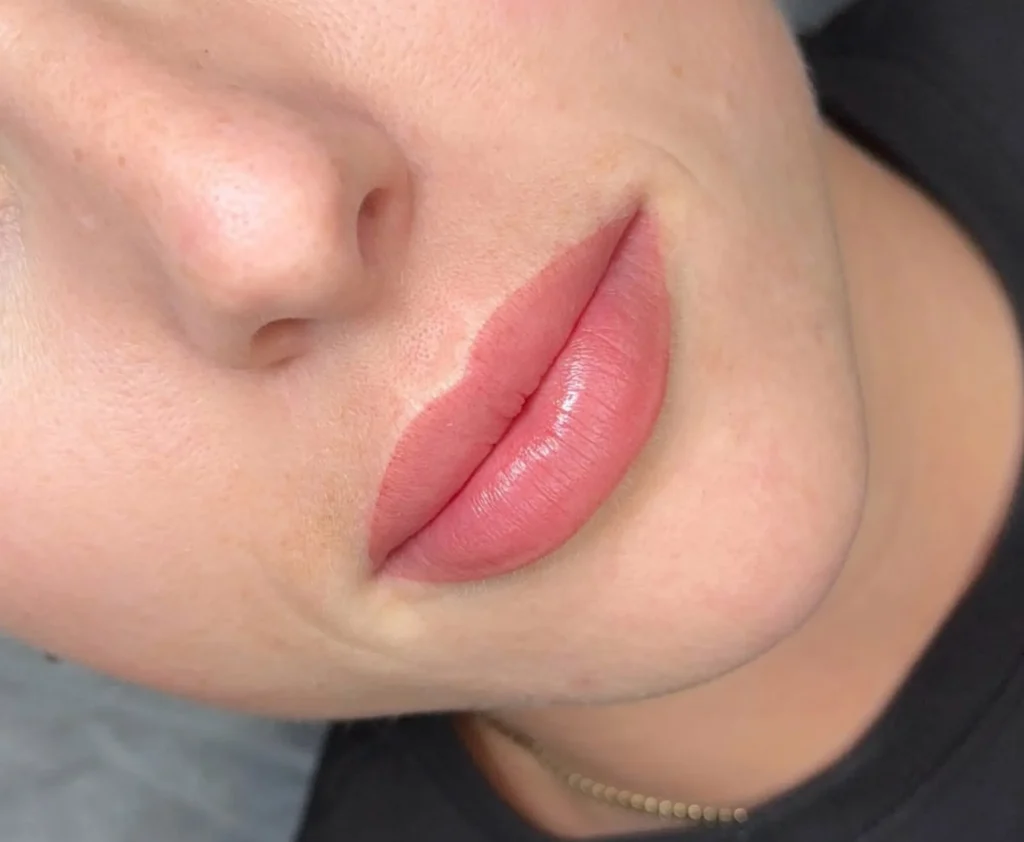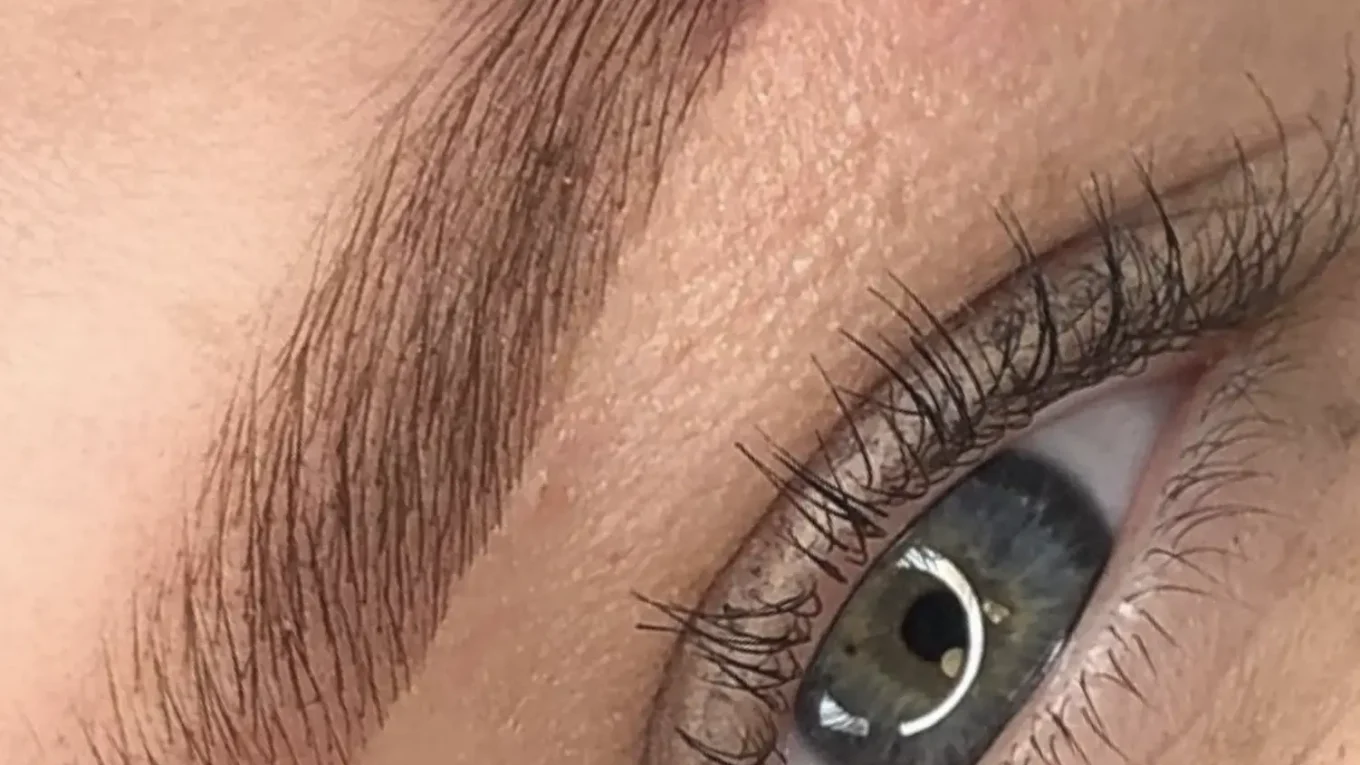
Organic Vs. Inorganic Pigments: Which Fades Truer To The Colour Of Ombre Brows?
“Organic vs. inorganic pigments: which fades truer to the colour of ombre brows?” This is one of the most common questions we get asked in the studio – and it usually comes with a panic-stricken client who’s shown us a photo of their brows that have turned a weird shade of grey, orange or just plain odd.
Quick answer? Inorganic ink (that’s mineral-based pigments like iron oxide) will generally fade to its original tone in a way that’s way more predictable than the alternative. In contrast, organic pigments (carbon-based compounds like carbon black) give a firework of colour initially but then start to shift and change over time – and that’s especially true in Brisbane’s harsh sunlight, for people with oily skin or if their aftercare is dodgy.
We’re Uliana Kasperk and the team here at Cosmetic Tattoo Studio Brisbane Face Figurati. There’s one thing we’ve learned from doing thousands of ombre eyebrow tattooing jobs: what you choose at the start is what you’ll still be living with months later.
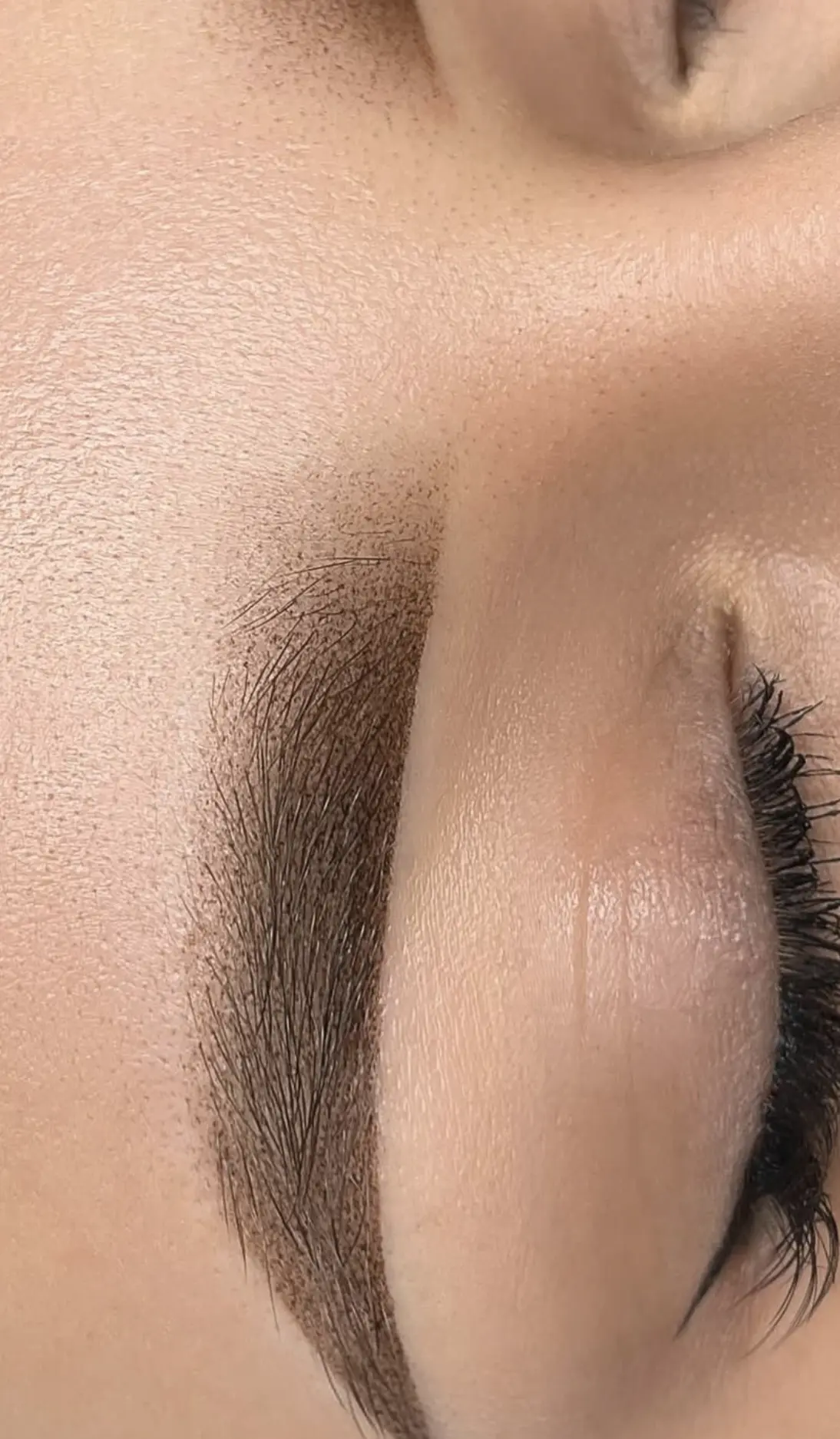
What Happens To Colour After Treatment
If you want to avoid any nasty surprises later on, it helps to know how colour behaves in the skin. What looks perfect when the treatment is all done and dusted doesn’t stay looking like a million bucks forever – and that’s just the way it is.
Permanent makeup ink goes through a process once it’s in the skin – it takes some time to heal up, regenerate itself and interact with the environment around it. And this is really noticeable in techniques like ombre eyebrows, where you’re working with soft, subtle colour gradations.
How It Settles In The Skin
When we do ombre eyebrows tattoo using a digital machine, the pigment is placed in the upper dermis. From there:
- Your immune system starts to break down the pigment particles
- Skin turnover gradually lifts the colour upwards
- All that UV exposure affects how the colour absorbs light
- And the oil your skin produces affects how much of that colour gets held onto
It’s because of this that two clients can come out of the same treatment with identical brows one day and yet end up looking totally different after a few weeks.
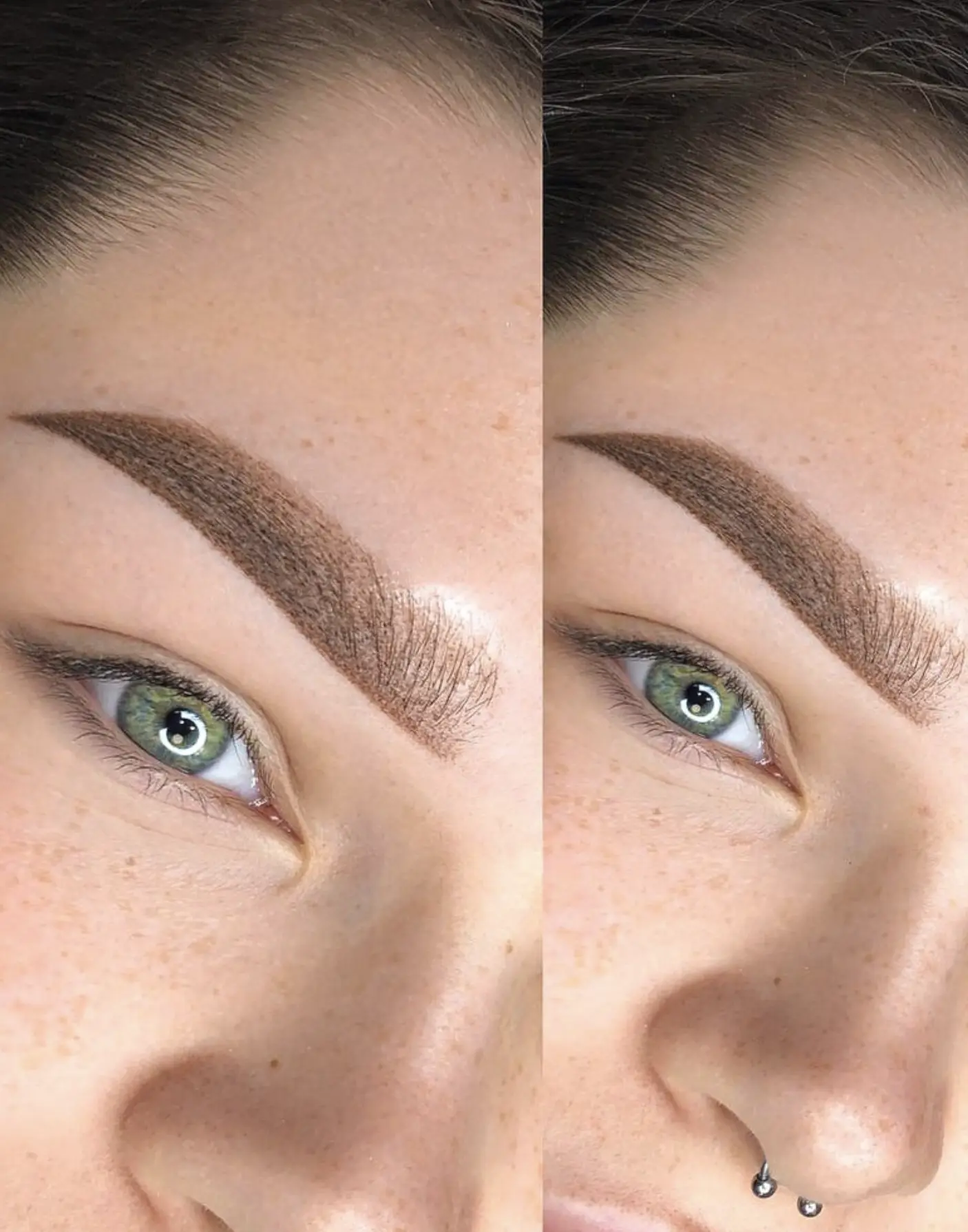
The Real Difference Behind The Formula
Let’s get down to what actually matters when it comes to choosing between the two – not just spew out a load of jargon and leave you feeling more confused than ever.
Carbon-Based Formulas
- Made from the usual suspects: carbon black and the like
- Gives a real kick of colour
- Often used for bolder, more defined looks
Mineral-Based Formulas
- Made from iron oxide, titanium dioxide, chromium oxide (and so on)
- Softer tones that look really natural
- Happens to be way more stable over time
Here’s how we explain it during consultations:
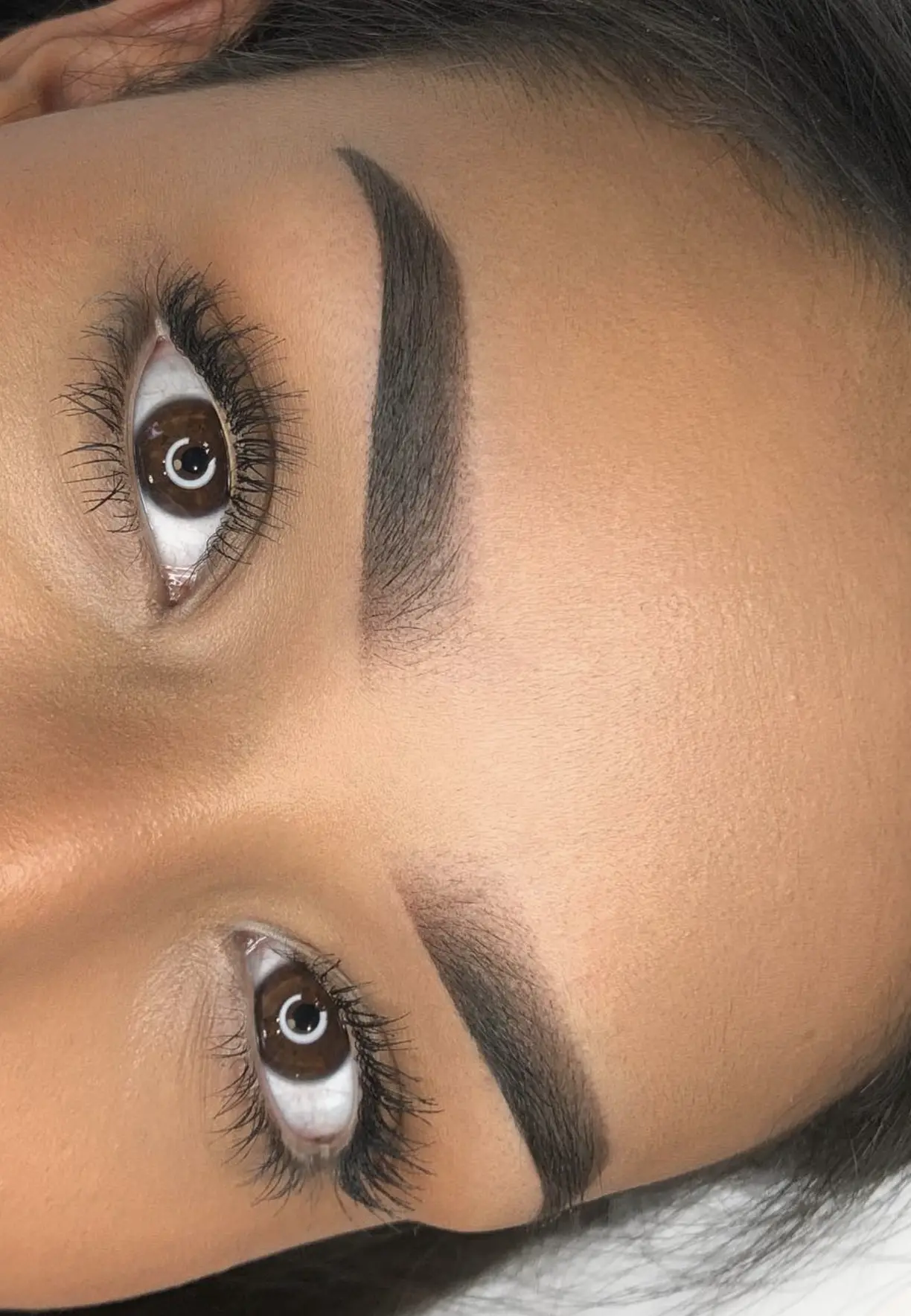
| Feature | Carbon-Based | Mineral-Based |
|---|---|---|
| Colour intensity | High | Soft |
| Fade behaviour | Can shift warm | More neutral |
| Stability | Lower | Higher |
| Best for | Bold styles | Natural powder brows |
Which Option Holds Its Tone Better Over Time?
Formulations made from minerals tend to hold their colour better over time and, more importantly, do so in a way that looks good to the human eye. Most experienced PMU artists don’t stick to just one. Most experienced PMU artists don’t stick to just one in a way that looks good to the human eye.
At Cosmetic Tattoo Studio Brisbane Face Figurati, we’ve found this is especially true when working with soft brow powder. Even a tiny shift in colour can completely change the way a person looks.
We’ve seen it time and time again with our clients – iron oxide pigments break down gradually, usually in a pretty predictable way. Meanwhile, those high-carbon-based molecules can change to a warmer tone over time. It’s not “good” or “bad” – they just behave differently.
We had a client come to us who’d had her eyebrows tattooed somewhere else a while back. They looked great at first, but a few months later, the tail of her brows had a weird, warm tone, and the front was fading unevenly. We were able to fix it by using hybrid pigments, rebalancing the colour palette, and giving her a finish that matched her skin tone.
Why We Blend Formulas In Practice
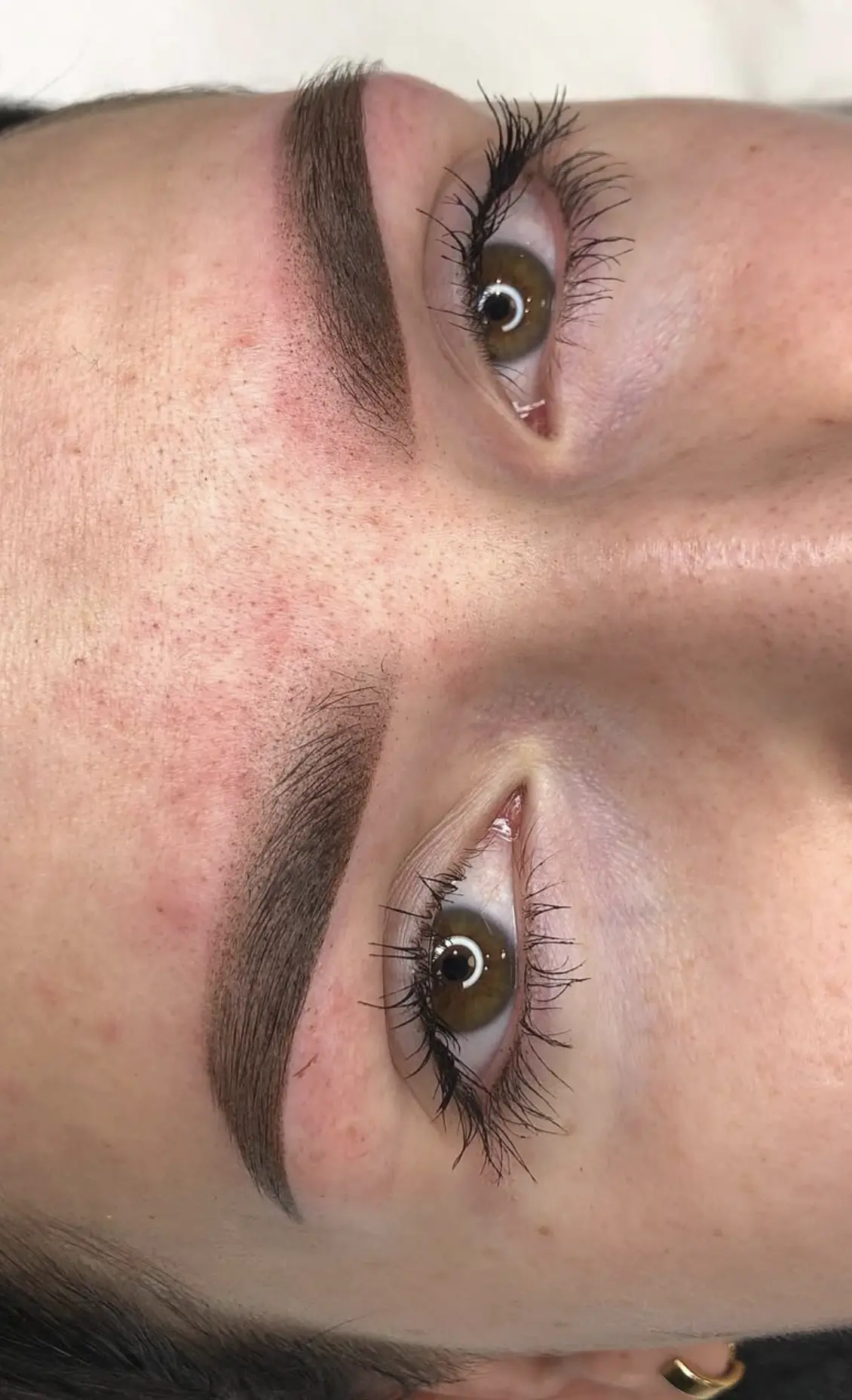
Let’s be honest: most experienced PMU artists don’t stick to just one formula. At Cosmetic Tattoo Studio Brisbane Face Figurati, we use a mix of hybrid pigments for most ombre eyebrow tattooing jobs.
Why This Approach Works
- You get a balanced colour out of it
- The colour fades in a way that’s consistent and predictable
- It works really well on all sorts of skin types
By using hybrid formulations, we can achieve that gorgeous soft ombre effect in the eyebrows while still maintaining colour stability.
Healing Timeline
Healing can feel unpredictable — especially if it’s your first brows powder treatment.
Week-by-Week Healing Guide
| Stage | What You’ll See | What’s Happening |
|---|---|---|
| Days 1–3 | Dark, bold | Fresh pigment oxidising |
| Days 3–7 | Flaking | Excess pigment shedding |
| Days 7–14 | Light/faded | Skin healing |
| Weeks 3–6 | Colour returns | Pigment stabilises |
| Week 6+ | Final result | Ready for touch-up |
We always remind clients: “If it looks too light at week two — don’t stress. It’s part of the process.”
How To Prepare For Better Retention
Prep is way more important than most people give it credit for. Good skin condition helps the pigment to settle in smoothly and reduces the chance of patchy healing.
In the days leading up to your appointment, it’s a good idea to cut back on booze, caffeine, and high-intensity workouts. A week beforehand, we’d recommend taking a break from exfoliating and avoiding harsh sunlight – especially here in Brisbane.
Aftercare That Actually Protects Your Results
Let’s get one thing straight: aftercare isn’t just a suggestion – it’s vital for your final result.
In the first 10 days, keep the area spick and span and dry, avoid sweating as much as you can and follow the aftercare instructions we give you to the letter. This helps stop the pigment from spreading unevenly and supports the skin in healing evenly.
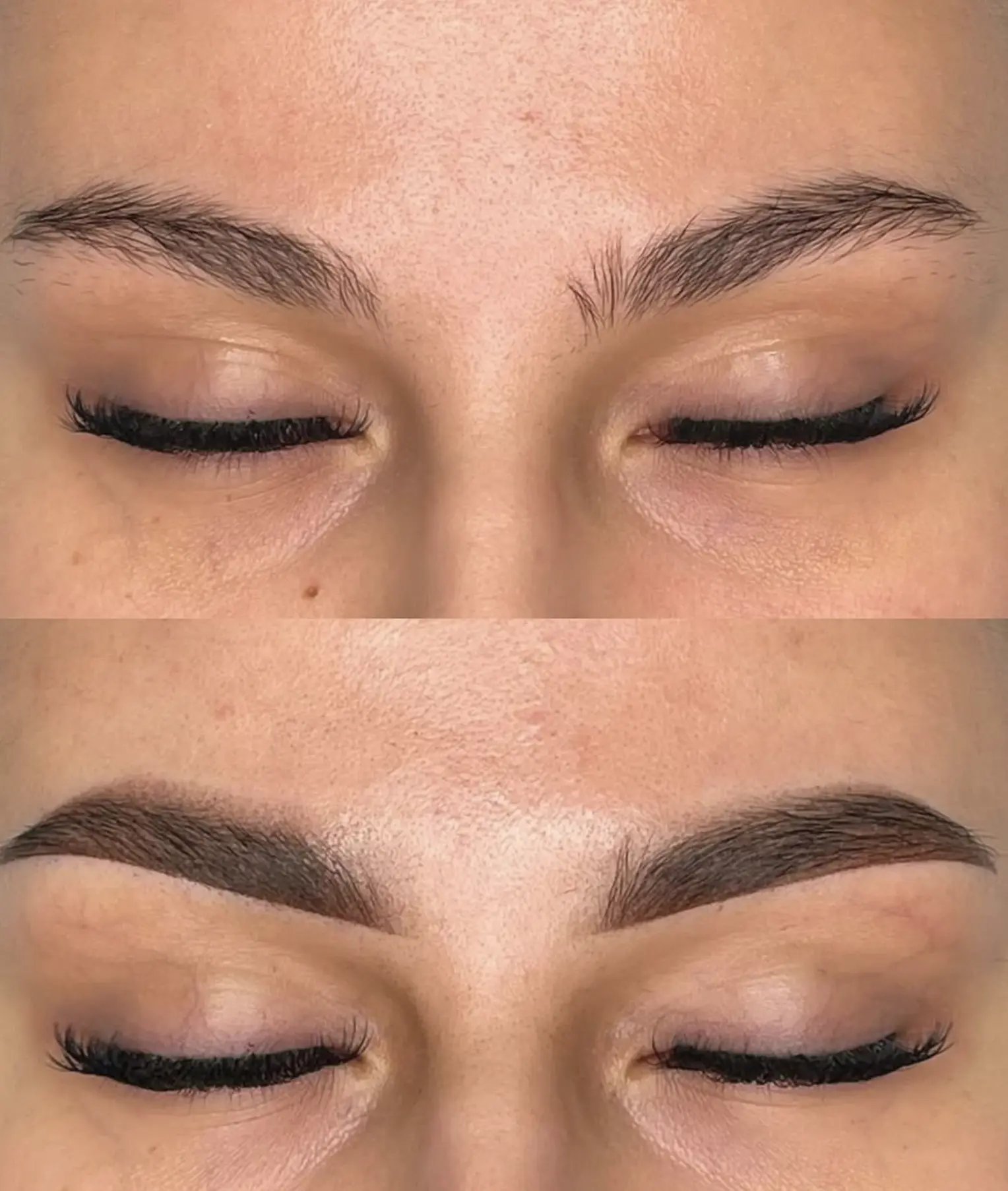
Long term, the simple stuff makes the biggest difference. A daily dose of SPF, minimal exfoliating and regular maintenance appointments will keep your ombre tattoo eyebrows looking fresh as a daisy.
We’ve seen some fantastic work fade unevenly because aftercare wasn’t followed to the letter.
Why Brisbane Conditions Matter More Than You Think
Brisbane’s environment plays a bigger role than most of our clients think.
The combination of humidity and strong UV exposure can speed up pigment breakdown and increase oil production – it’s no wonder, really. Which means that’s why we fine-tune every ombre eyebrow tattooing treatment to suit local conditions – we’re not just following the latest trend or sticking with one pigment brand.
What’s Changing In The Industry Right Now
The beauty industry has finally caught up with the times – and so have client expectations.
- There’s way more use of hybrid pigments now
- Finishes are getting softer and more natural
- There’s not so much demand for those heavy, blocky brows anymore
Over 60% of our clients now opt for natural-looking powder brows – and it’s no coincidence that they’re also after long-term colour stability.
Common Misconceptions We Hear In The Studio
There’s a lot of old-fashioned thinking going on out there – and it’s no wonder people get it wrong.
Brows don’t just suddenly turn orange or blue – more often than not, that’s because the colour was chosen incorrectly or the application technique was dodgy. And let’s be real, a strong colour doesn’t automatically mean a better result. And when they do fade, that’s not a bad thing – it’s just how permanent makeup is supposed to behave over time.
Final Thoughts: Think Beyond Day-One Results
Here’s the unvarnished truth: the colour you choose for your brows today is the colour they’ll still be sporting in a few months.
We don’t just focus on getting the immediate look right at Cosmetic Tattoo Studio Brisbane Face Figurati. We think about how those brows will look in a year, taking into account your skin type, your lifestyle, and how much time you spend in the Aussie sun.
Brows that look good on day one shouldn’t magically disappear the next – they should still be looking good 12 months down the track.
FAQ
Do results always fade evenly?
If we’re doing our job properly and choosing the right colour, then yeah – they should.
Why does the colour sometimes change?
It’s got a lot to do with how much UV exposure your skin gets, your skin type and the actual make-up of the pigment itself.
Is using a blend of formulas always better than using one type?
In most cases, yes – especially if you’re after a soft finish that looks completely natural.
Can we fix the old work that needs correcting?
Absolutely – it’s just a matter of getting the right colour correction or removal technique.
How long do the results actually last?
That depends on your skin and your lifestyle, but generally it’s anywhere from 1 to 3 years.