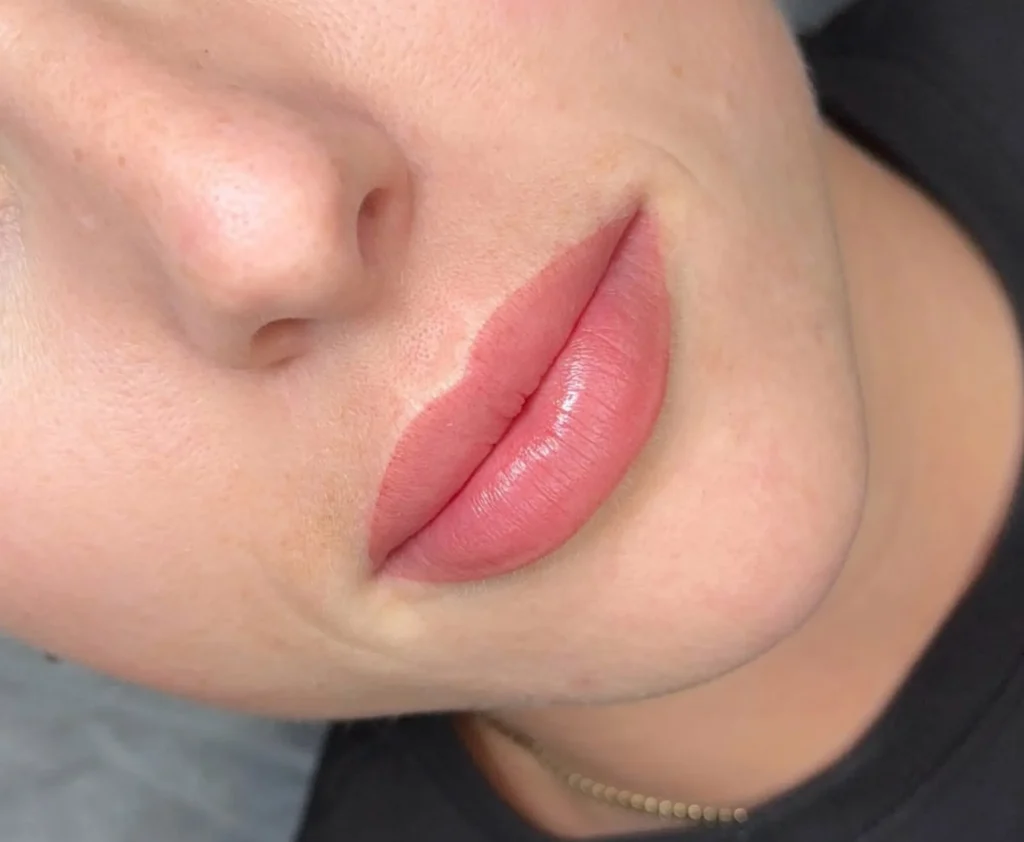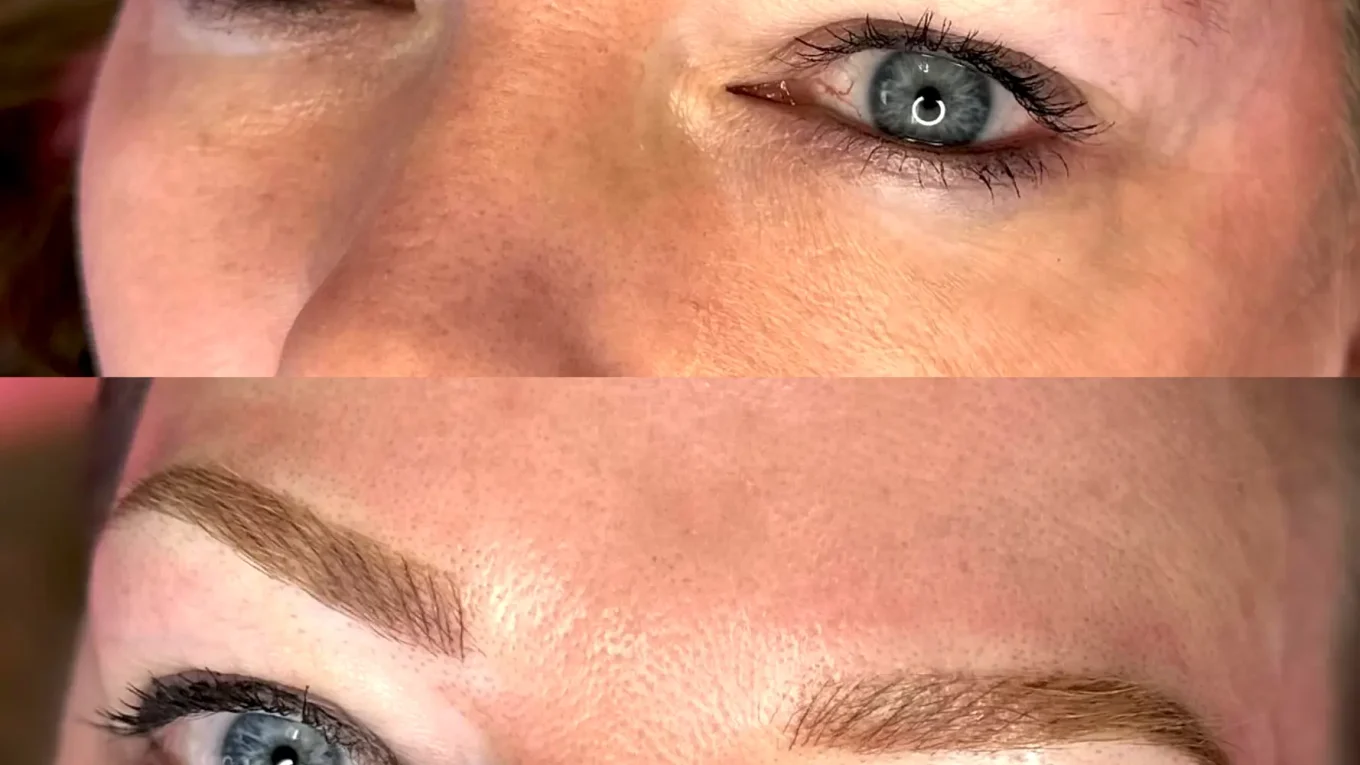
Is coconut oil good for cosmetic tattoo?
You’ve probably heard the hype. Coconut oil is praised for everything from makeup removal to hair masks to baking brownies. But when it comes to your cosmetic tattoo — think freshly blushed lips or those crisp new brows — is coconut oil a skin saviour or a sneaky mistake?
In this post, we’re tackling the question: Is Coconut Oil Good for Cosmetic Tattoo? I’ll break down the science, real results I’ve seen at Cosmetic Tattoo Studio Face Figurati, and what your healing skin really needs (spoiler: it’s probably not pantry-grade coconut oil). If you’re recovering from a cosmetic tattooing procedure or prepping for one, keep reading.
The Basics: What’s in Coconut Oil?
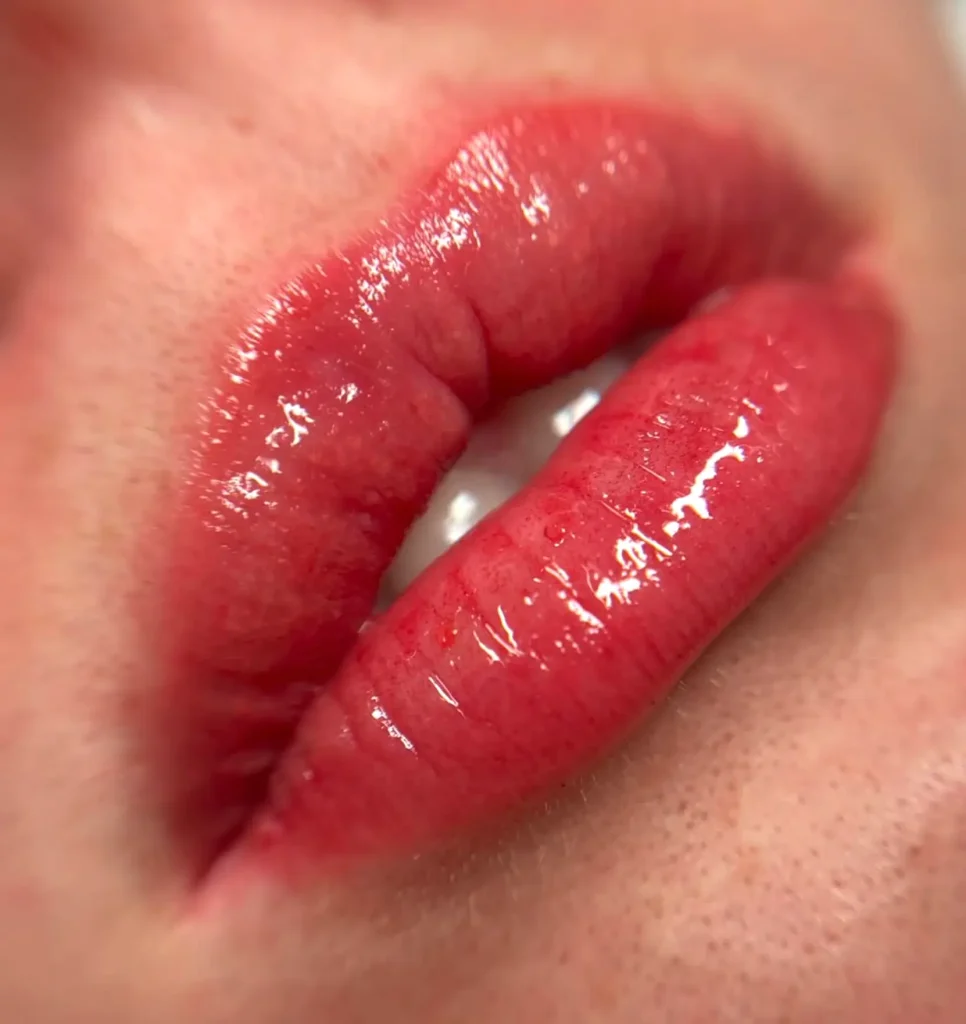
Coconut oil contains Lauric acid, one of the medium-chain fatty acids that gives it its reputation for antibacterial, antimicrobial properties, and moisturising properties. Some forms — like fractionated coconut oil — are liquid and lightweight, while others are thick and greasy.
It’s also often promoted for its anti-inflammatory properties, which is why it shows up in everything from natural ingredients skin balms to Ayurvedic medicine. But here’s the thing — those beneficial properties don’t always translate well during the tattooing process, especially on tattooed skin that’s healing from a cosmetic procedure.
As a professional cosmetic tattooing artist, I’ve seen plenty of healing journeys — some smooth, some sabotaged by well-meaning use of the wrong products.
What Your Cosmetic Tattoo Needs
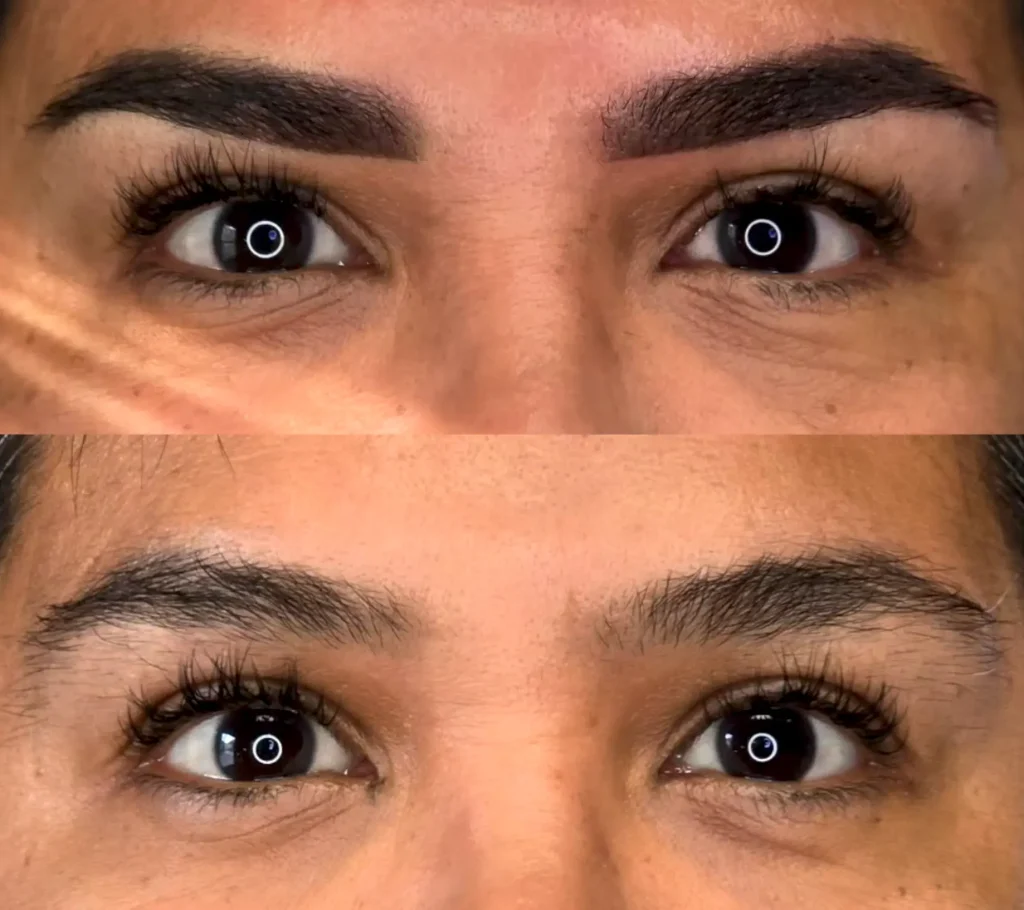
Your skin’s actual healing process after a cosmetic tattooing procedure is a controlled skin wound. You’ve just deposited pigment into the dermal layer, and now your skin is trying to keep bacteria out, lock hydration in, and form a protective barrier to support proper healing.
That means:
- The area is exposed and vulnerable to the risk of infection
- Skin is going through transepidermal water loss
- You may experience dead skin, flaky skin, or redness
- Some people deal with cold sores, especially after Lip Tattoo sessions
- If not handled correctly, you increase your risk of complications, including uneven healing, risk of hypopigmentation, or delayed healing time
What your skin needs is:
- Gentle, fragrance-free moisturiser or aftercare cream
- Products free from alcohol-based or fragranced products, abrasive products, or artificial ingredients
- Barrier protection without greasy residue
- No abrasive ingredients or harsh products
The Problem with Coconut Oil on Fresh Tattoos
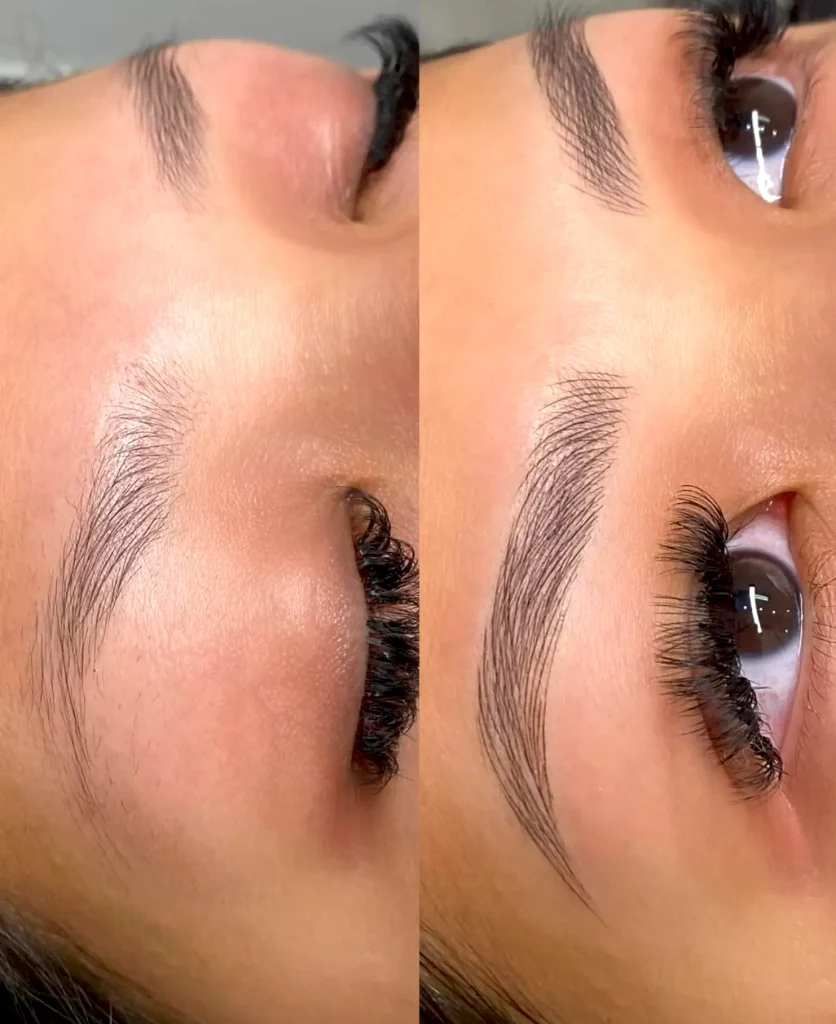
Let’s cut to it — coconut oil isn’t ideal for fresh tattoos, and especially not during the first 24-48 hours post-treatment. Here’s why:
1. It’s Too Occlusive for Oily or Sensitive Skin Types
Coconut oil ranks high on the comedogenic scale. On oily skin or sensitive skin, it can trap bacteria and sebum, increasing the potential risk of allergic reactions, breakouts, or adverse reactions.
2. It May Cause Uneven Healing
Clients using coconut oil too soon have reported bolder tattoo areas next to faded patches, often caused by premature scab softening or too much moisture. The natural response of your body to scab and peel is part of the proper aftercare process.
3. It Doesn’t Support Skin Regeneration Effectively
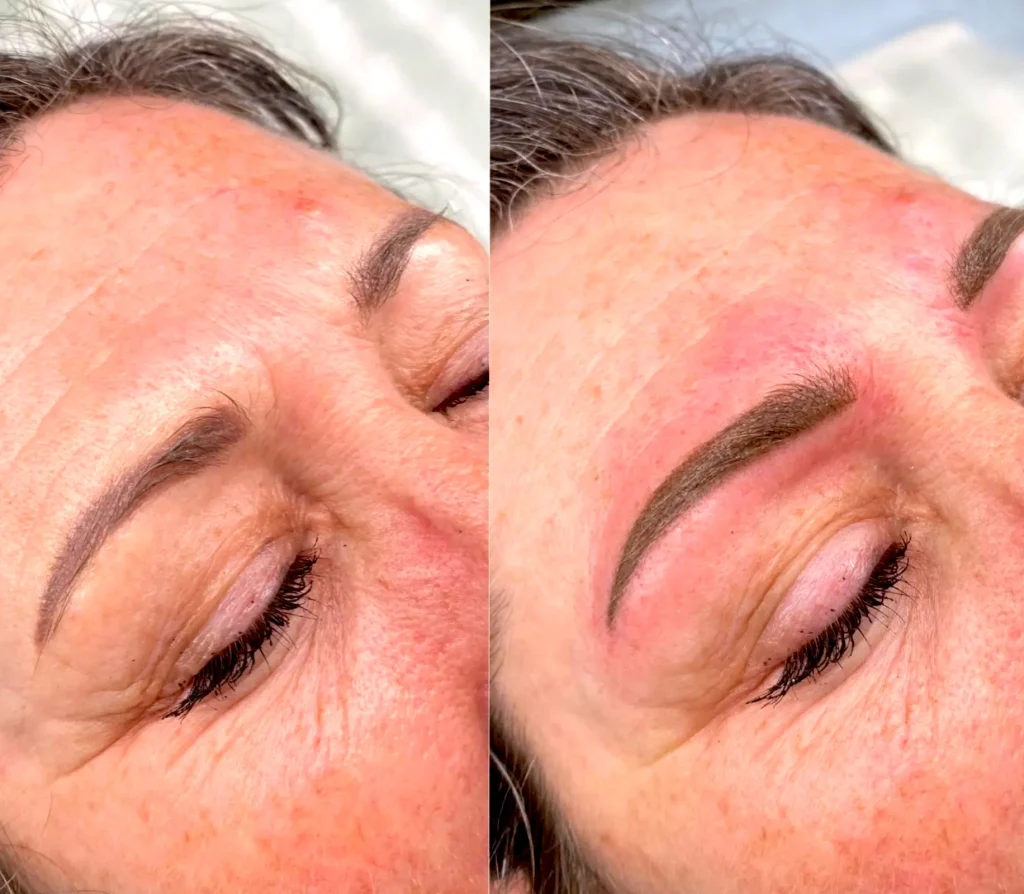
While coconut oil softens skin, it doesn’t contain key healing agents like panthenol, ceramides, or Vitamin E oil (natural, non-GMO Vitamin E) that support true skin regeneration during the healing process.
This is especially true for more delicate procedures like cosmetic tattoo eyeliner, where precise pigment placement is crucial and inflammation needs to be kept in check.
When Might It Be Okay?
There are a few exceptions — and they’re rare. If you’re using fractionated coconut oil (lighter, processed, and less comedogenic) after scabbing ends (usually 6–8 weeks post-tattooing procedure) and your tattoo artist gives the green light, it might help soften dry skin.
Even then:
- Patch test on a small skin patch
- Watch for Coconut oil sensitivity
- Avoid it on Lip blush tattoos, where lip products, lip gloss, or spicy foods might already cause irritation
Real Advice
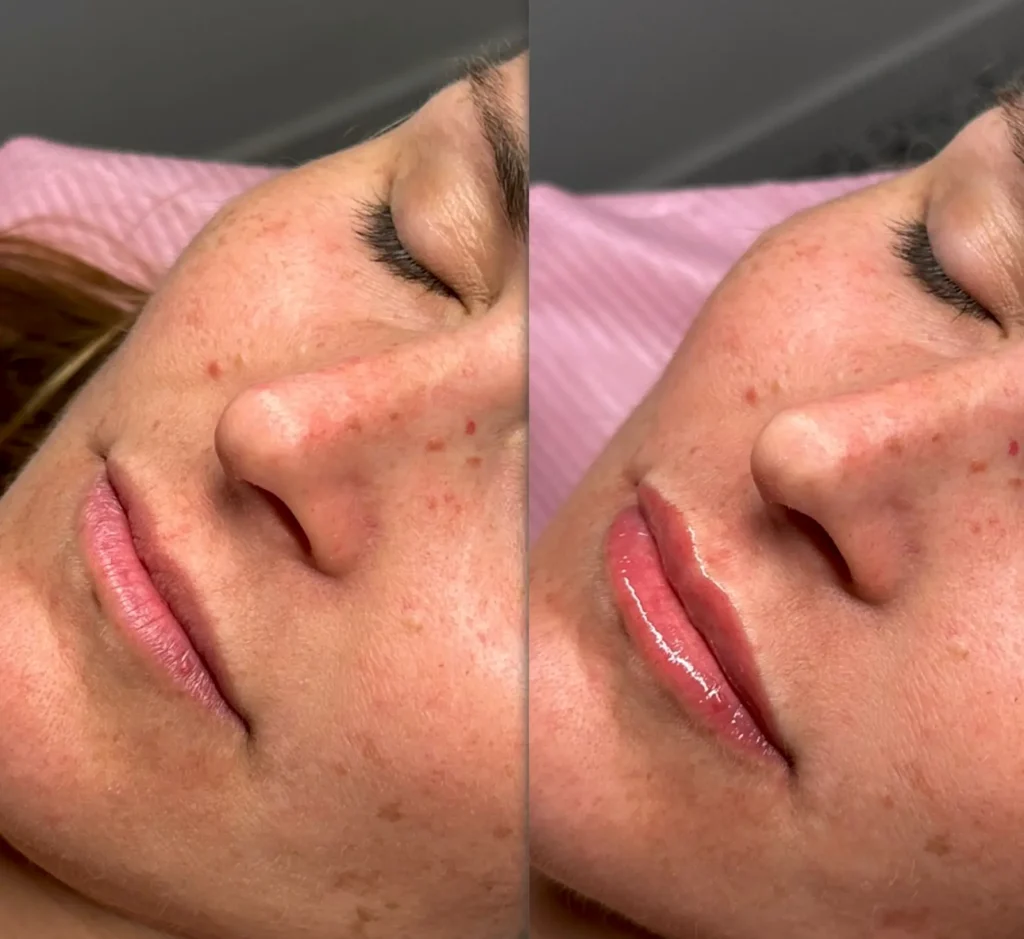
At Cosmetic Tattoo Studio Face Figurati, we guide clients based on skin types, tattoo process, and the type of tattoo they’ve had (e.g. permanent makeup procedure, Lip Tattoo, eyeliner, etc.). Whether it’s a client getting cosmetic tattoo lips for the first time or someone booking a touch-up on their brows, the approach stays the same: protect the skin and pigment.
What we recommend:
- First 24–48 hours: no product, gentle lukewarm water, blot lymph with clean cotton
- Days 2–10: apply aftercare balm or healing ointment recommended by your artist (we like Hustle Butter, shea butter, or mango butter blends — always fragrance-free and without alcohol-based products)
- Avoid bodies of water, UV exposure, sun damage, acidic foods, acidic drinks, energy drinks, nicotine products, and alcohol-based or fragranced products
- Protect from sun exposure using broad-spectrum sunscreen with zinc oxide after healing
- No abrasive products, beauty treatments, or laser treatments during healing
Used Coconut Oil? Here’s What to Do
It happens. If you’ve applied coconut oil:
- Stop use immediately
- Clean the area gently with mild soap and lukewarm water
- Resume your aftercare cream routine
- Watch for adverse reactions like redness, itchiness, or infection
- Book a touch-up session or review with your reputable lip blush tattoo artist if the healing looks patchy
Data from 2025: What Clients Use (and Regret)
According to the Accessible Beauty Products & Trends Survey
| Aftercare Product | % of Users | Outcome | Notes |
|---|---|---|---|
| Bepanthen | 40% | Faster Healing | Consistent pigment retention |
| Coconut oil | 19% | Mixed | Issues with greasy residue and uneven healing |
| Hustle Butter | 22% | Positive | Liked for natural ingredients |
| Shea Butter | 10% | Moderate | Worked well on dry skin types only |
| No Aftercare | 9% | High Risk | Increased Risk of complications and touch-ups needed |
Final Thoughts
Short answer? No, especially not on a fresh tattoo or during the main healing time.
Even though coconut oil has antifungal properties and feels luxurious, it’s not the ideal choice for preserving pigment, preventing infection, or supporting hydrated skin through the tattoo aftercare journey.
Stick with what your tattoo artist recommends, protect your tattooed skin, and save the coconut oil for your hair mask or cooking pan, not your face.
Whether it’s cosmetic tattoo eyeliner or a bold lip blush tattoo, always choose aftercare that respects your skin.
FAQ
Can I use coconut oil after a cosmetic tattoo?
Not recommended. It can interfere with proper healing, cause uneven healing, and may increase your risk of infection.
Is there a safer alternative to coconut oil for aftercare?
Yes — use aftercare balm or healing ointment specifically designed for cosmetic tattoos, free from harmful ingredients or artificial ingredients.
Why does my skin react badly to coconut oil?
You may have Coconut oil sensitivity, especially if you have sensitive skin, blood pressure disorders, or are on blood thinners or fish oils.
Can coconut oil cause hypopigmentation or pigment loss?
Yes. If applied too early, it can soften scabs and disrupt the pigment before it sets, leading to the risk of hypopigmentation.
How long should I wait before using any oils on my tattoo?
Wait at least 6–8 weeks and only after a check-in with your reputable tattoo artist. Even then, go light and patch test first.