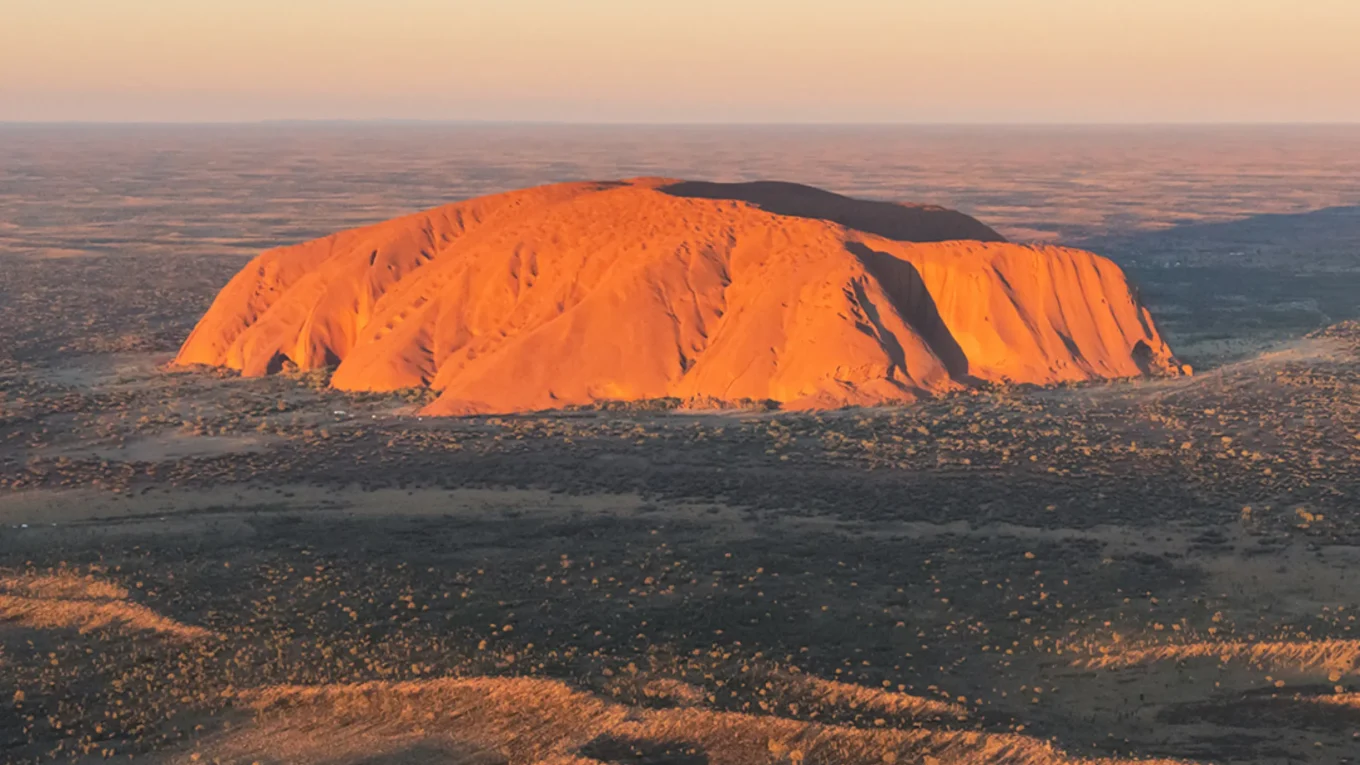
Will You Ever Be Able to Climb Uluru?
For decades Uluru was a sacred site and a major tourist attraction, with thousands of people climbing the iconic rock. But the era of Uluru climbs is over. After decades of cultural debate, environmental concern and respectful dialogue the climb was closed permanently in 2019. It will never reopen.
The Cultural Significance
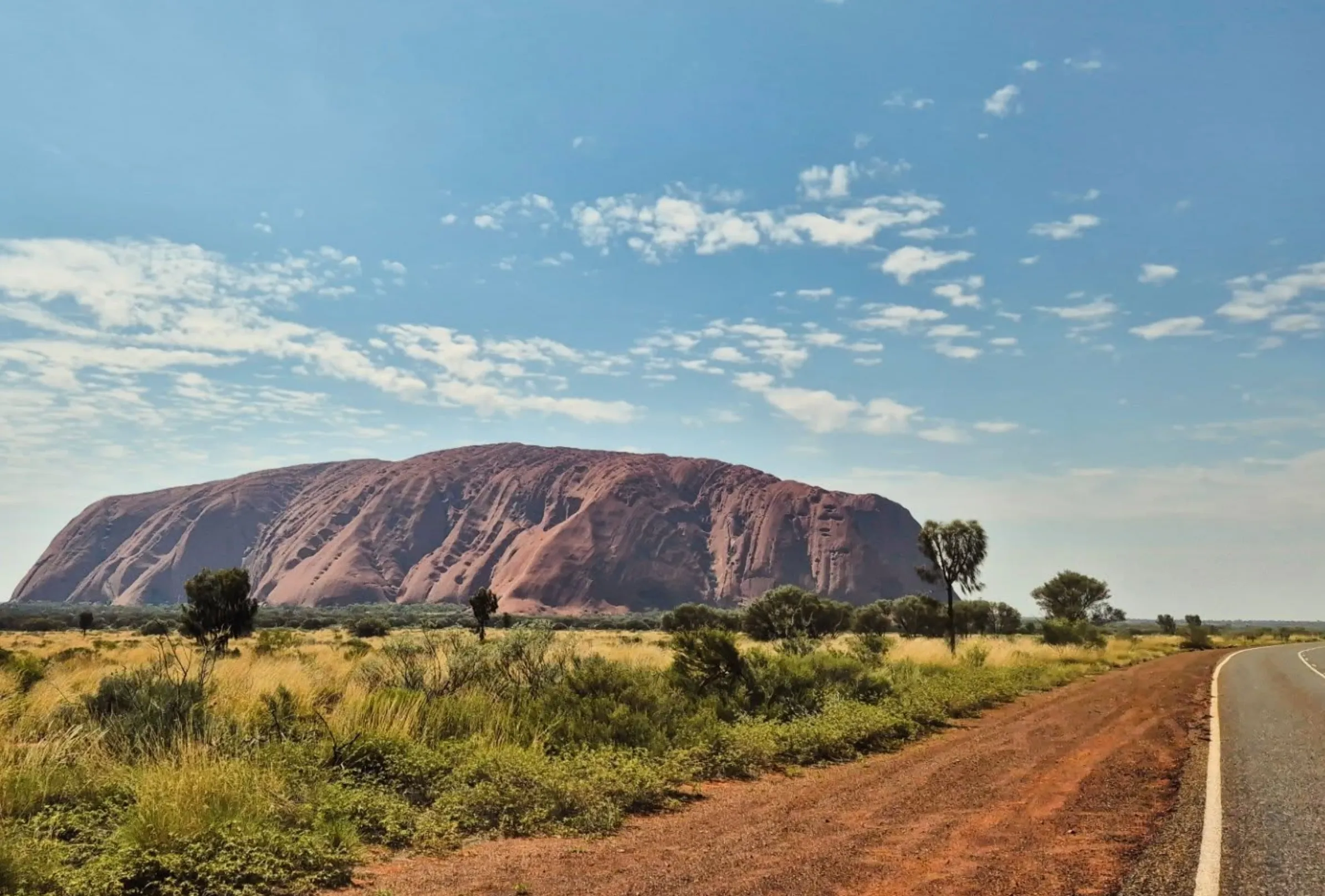
Uluru (Ayers Rock) is not just a rock – it’s a place of deep spiritual significance and connection for the Traditional Owners, the Anangu people. For generations the Anangu have protected Uluru, asking visitors not to climb it. The rock is part of their Tjukurpa – an overarching belief system that governs law, behaviour and cultural knowledge.
To many Aboriginal owners the climbing path itself is sacred. Disrespecting it through constant climbing has been a point of tension for a long time. The climb was about more than safety – it was about Aboriginal culture, ancient traditions and the collective voice of Indigenous people who advocated for the site’s protection.
The Climb Closure and What It Means
October 26 2019 was the official climb closure day. The decision was made by the Uluru-Kata Tjuta National Park Board of Management, a joint governing body that includes Traditional Owners and Parks Australia. Their goal was to align tourism with community values and protect the landscape from further damage.
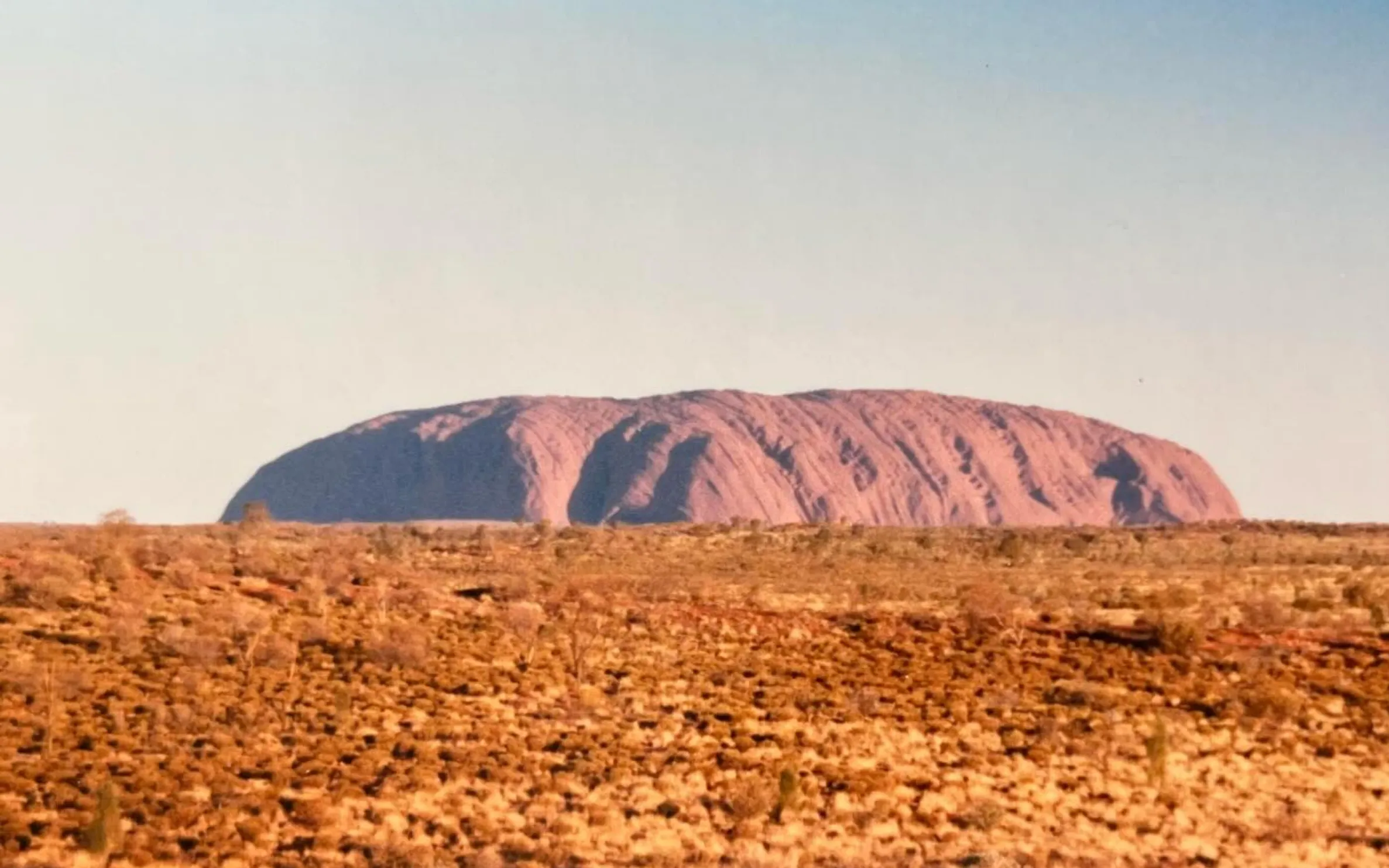
The tourism industry had to adapt. For some it was the end of an era. For many it was the beginning of a new chapter – one where cultural reasons trumped thrill seeking. Climbing Uluru had become a body in tourist culture, a symbol of conquest. Its closure redefined travel passion through respect not adrenaline.
Activities for Visitors: Respectful Exploration
Even with the climb closed, Uluru is still one of Australia’s most powerful experiences. Wayoutback Tours offers journeys like the uluru 2 day tour, 2-Day Uluru Tour and Alice Springs Uluru Tour, each with cultural stories, environmental insights and nearby natural experiences.
The 3 Day Tour is perfect for those who want to get deep into the desert, Aboriginal culture and national parks.
For those short on time the 2-Day Tour is a condensed but unforgettable experience of landscapes and community services.
Many Uluru tours now focus on cultural exchange, with storytelling, rock art interpretation and interactions with Aboriginal artists.
Here’s a quick look at the popular Uluru tour options:
| Tour Option | Duration | Highlights |
|---|---|---|
| 3-Day Uluru Tour | 3 Days | Kata Tjuta, Kings Canyon, cultural workshops |
| Uluru 2-Day Tour | 2 Days | Uluru sunrise/sunset, base walk, Aboriginal insights |
| Alice Springs Uluru Tour | 1-3 Days | Scenic drive, community projects, art installations |
You can also:
- Walk the base trail, which runs around the rock’s edge and has close-up views of rock art and waterholes.
- Visit Kata Tjuta (The Olgas), a nearby geological wonder with similar cultural significance.
- Explore Kings Canyon, another amazing site in the Red Centre.
- See art installations by Aboriginal artists in Yulara village.
- Go camel riding through the desert.
Tourism operators like Wayoutback Tours are helping to turn Uluru from a climb into an Aboriginal cultural experience. Through these activities you’ll gain an appreciation for historical sites, spiritual significance and the Outback landscape.
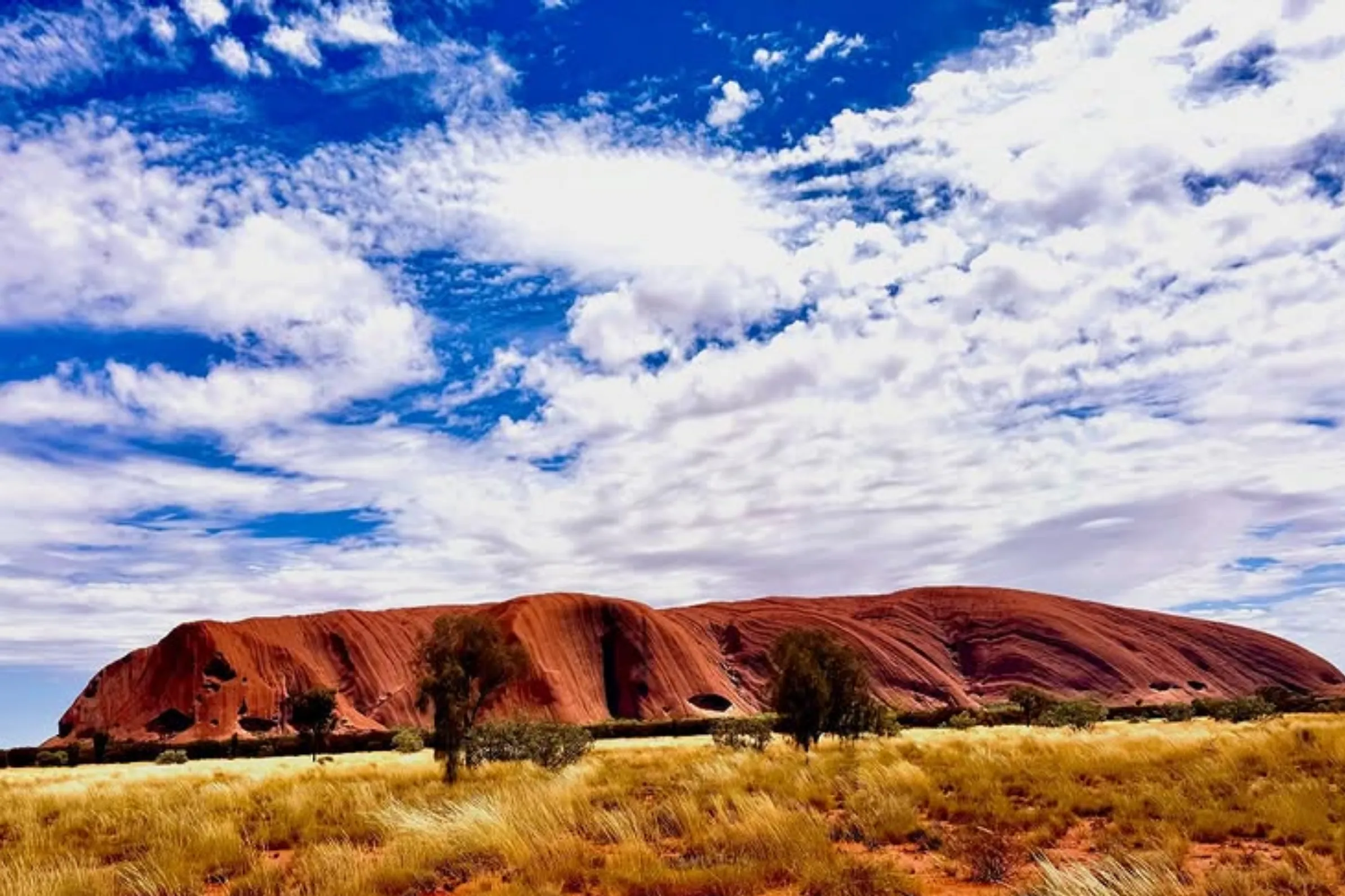
The Alice Springs Uluru Tour is a great option if you’re starting your journey from the heart of the Northern Territory, linking community projects, ancient culture and landmarks.
National Parks and Community
Uluru is managed under a unique joint agreement between Parks Australia and the Traditional Owners. This means that tourism enterprise decisions are made with Indigenous input. Community services and community projects within the park fund education, health care and local employment.
Art, language and culture are key. Aboriginal artists, cultural guides and educators are now the face of Uluru tourism. The national park is not just about preservation – it’s about shared stories and deeper connections.
Why People Still Visit
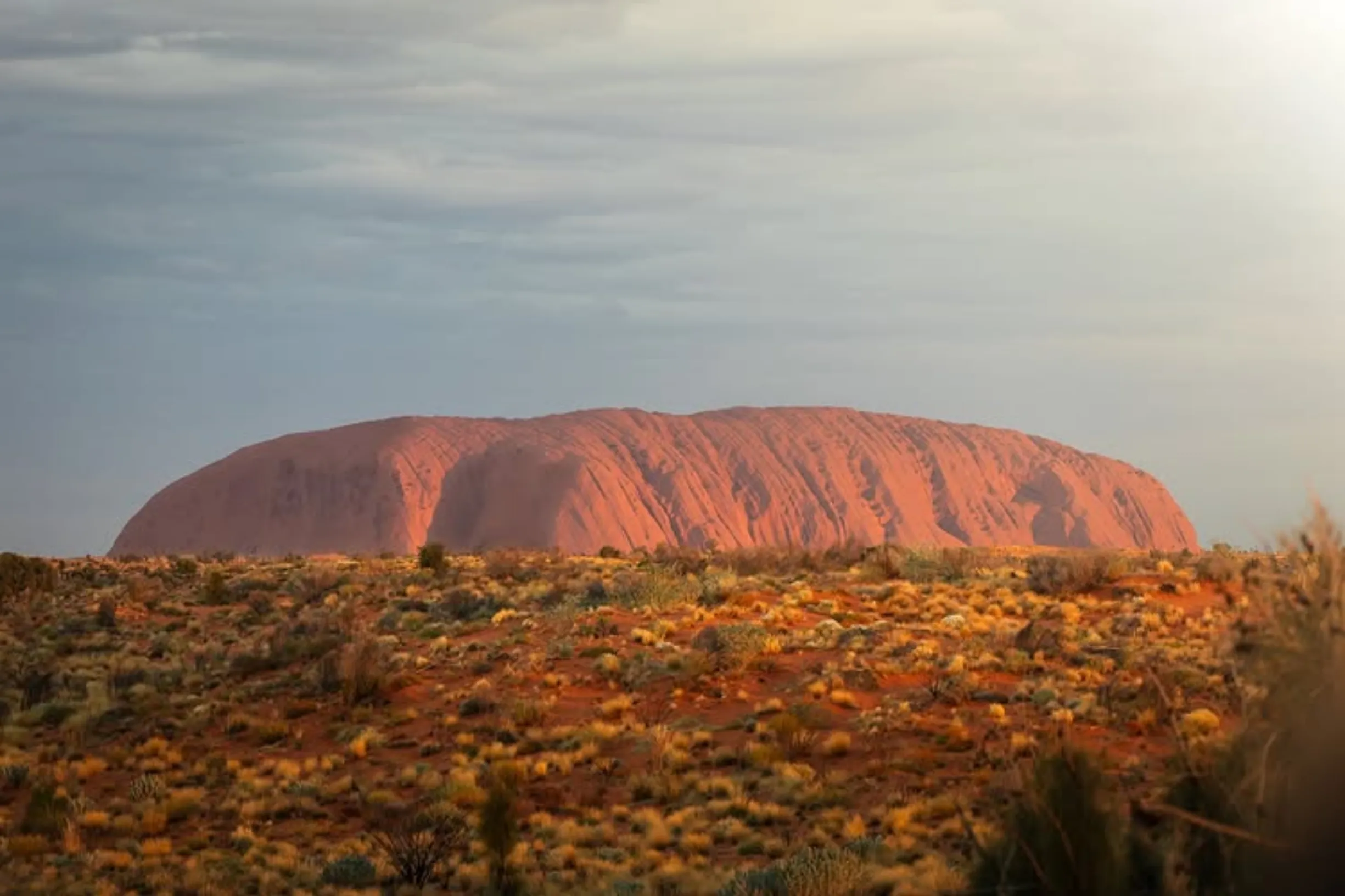
Even without the climb, Uluru’s power, sacred energy and ancient culture still draws thousands. A common reason people now visit is to engage more with Aboriginal traditions, see the rock’s colours change at sunrise and sunset and experience a different side of Australian identity.
The landscape is full of surprises – from desert wildflowers to hidden waterholes. The climb safe message is clear – respect the rock and you’ll still have a great time.
Reframing Travel Passion
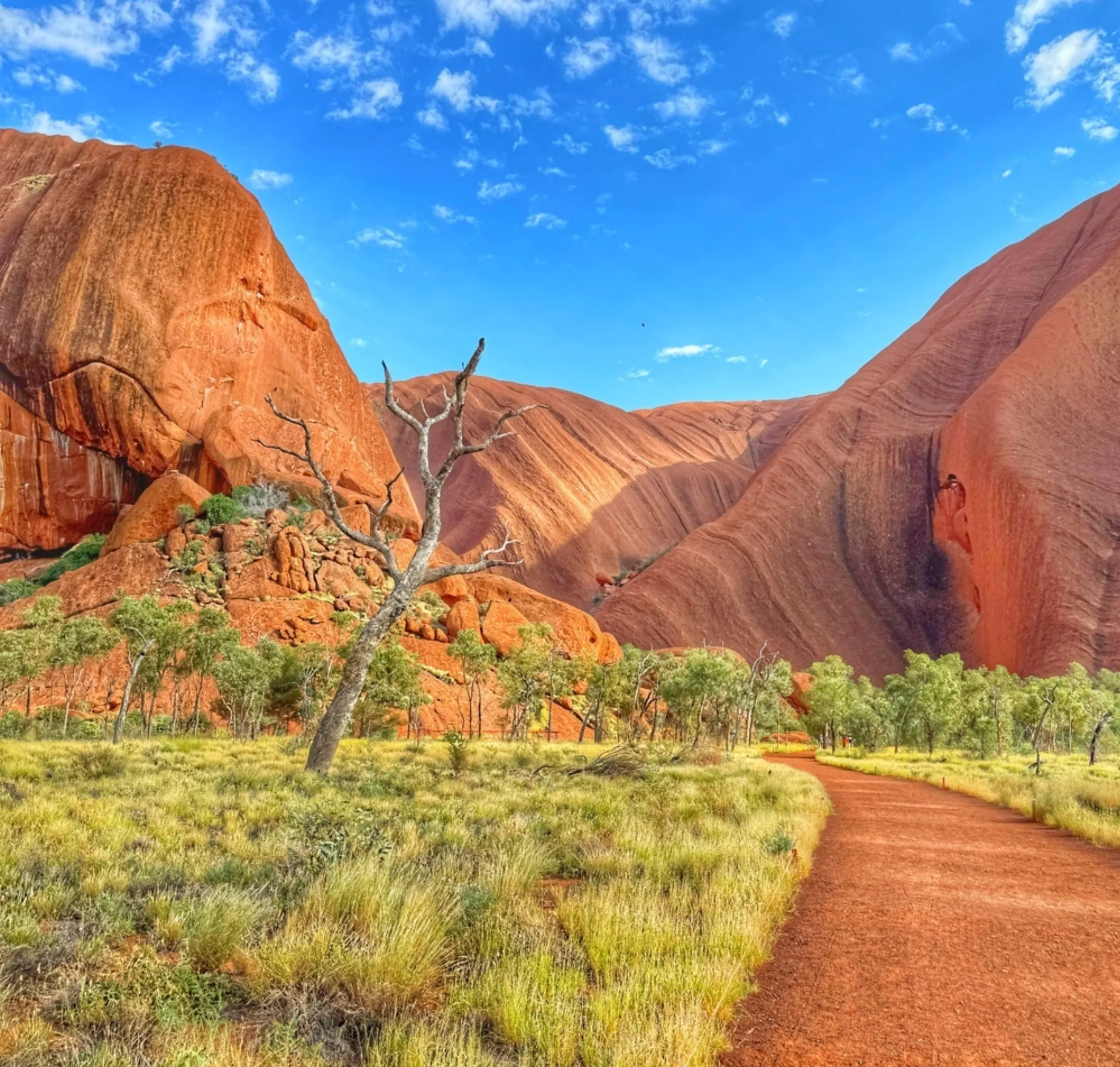
In today’s world, responsible travel matters. The climb closure challenges old views of tourism and replaces them with meaningful alternatives. It encourages reflection, education and awe.
Whether you’re with Wayoutback Tours or another responsible operator, your journey through the Red Centre will be more than a holiday – it will be a lesson in history, respect and beauty.
FAQ
Why is Uluru closed to climbers?
It’s because of the cultural and spiritual importance of Uluru to the Traditional Owners.
Can I walk around Uluru instead?
Yes. The base walk and guided walks show rock art, sacred sites and Aboriginal stories.
What else can I do in the area?
Visit Kings Canyon, Kata Tjuta or take a cultural tour with Wayoutback Tours. Camel riding and art exhibitions are also fun.
Will the Uluru climb ever open again?
No. The decision is final and made by the board of management with the support of the Aboriginal community and the wider public.
Why is Uluru a must-see?
Its cultural significance, stunning views and Aboriginal and natural experiences make Uluru unmissable.