Which Direction Does the Great Ocean Road Follow?
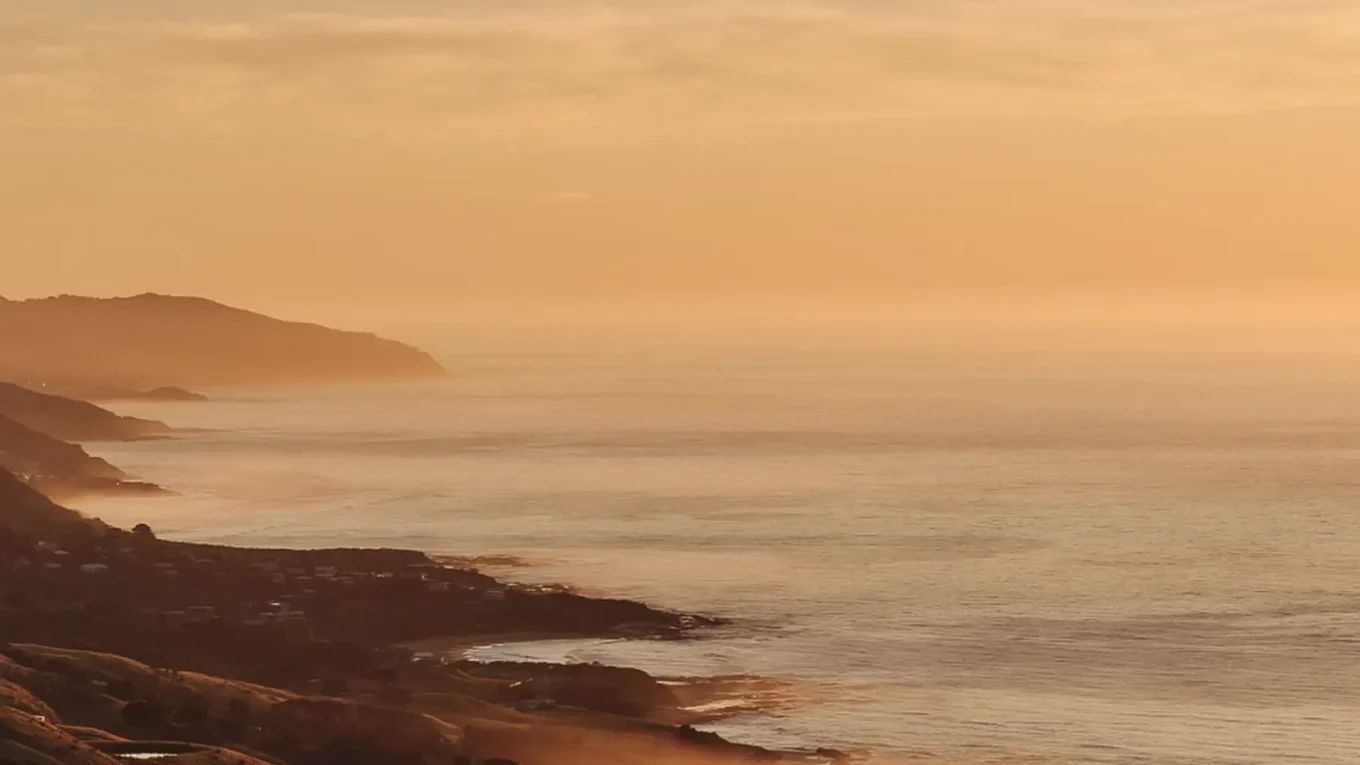
The Great Ocean Road, one of Australia’s most scenic drives, goes from Torquay to Allansford in Victoria. This iconic route is 243km (151 miles) long and takes you along the south coast, with stunning coastal views, old-growth rainforests and limestone cliffs like the Twelve Apostles. It’s full of natural wonders, seaside towns and rugged coastline – one of the best road trips in Australia.
About the Route
East to West: The Most Popular Way
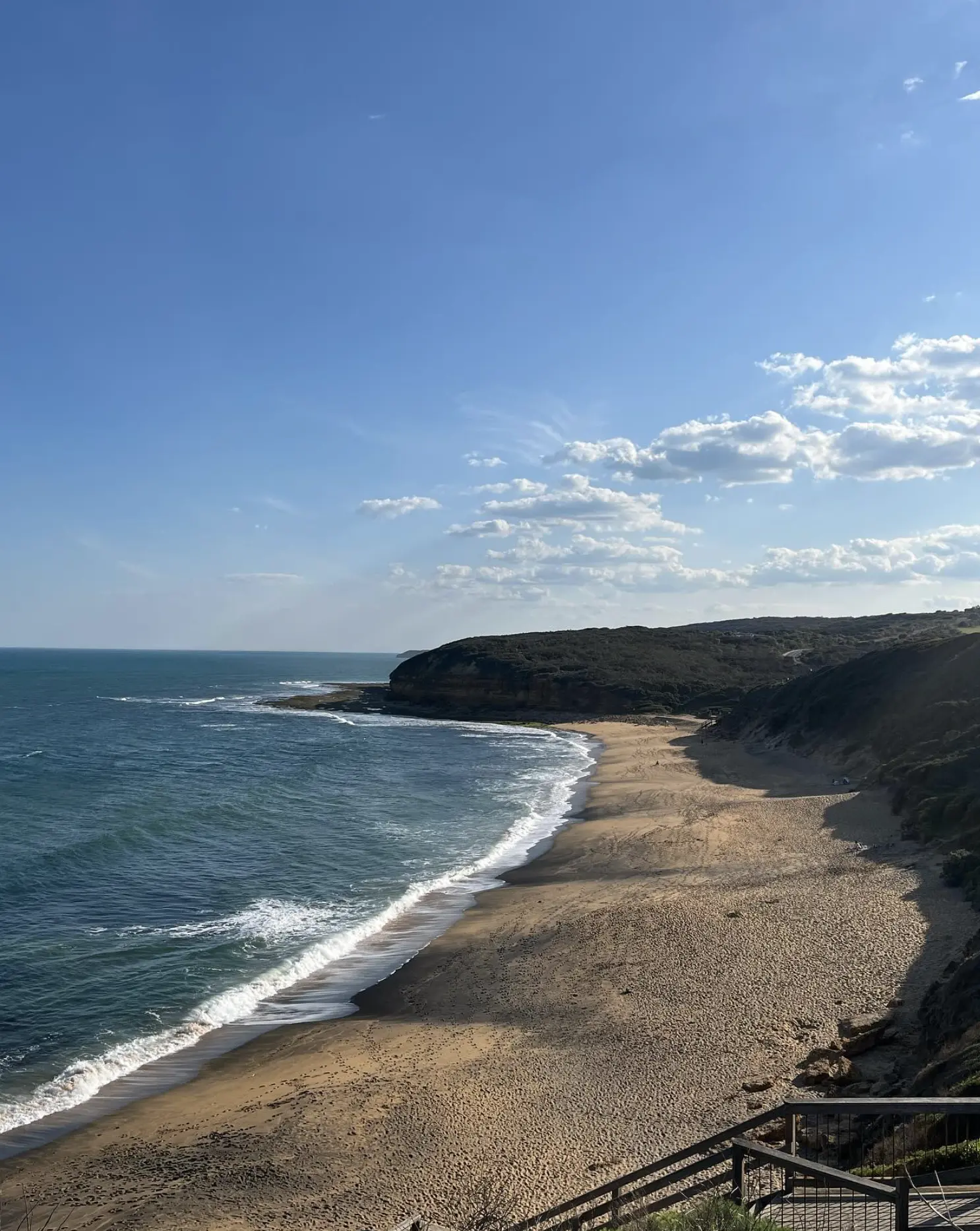
Most people start in Torquay, a surfing town near Melbourne, and drive west to Allansford, near Warrnambool. This is the most common way as it keeps the coast on your left-hand side, making it easier to pull over at lookouts and take in the views along the coastal road.
Along the way you’ll pass through towns like Lorne, Apollo Bay and Port Campbell, each with different accommodation options from beachfront campsites to campsite lodges. These stops give you a chance to explore beaches and friendly parks and take in the views of the Australian coast. A Great Ocean Road trip includes stops at these towns so you can soak up the culture and natural beauty of the region.
West to East: The Less Common Way
While less popular, some people drive from Allansford to Torquay. This way gives you a different view of the cliff tops and rocky cliffs, but the beach views are on the right-hand side which may not be ideal if you want to stop at lookouts.
Regardless of which way you go, the Great Ocean Road has natural attractions like rainforests, native wildlife, fern gullies and extinct volcanoes. Driving along the coastal roads, you’ll see the dramatic coastline and the largest war memorial in the country, built to honour World War I soldiers. Many people do a 3 day Great Ocean Road trip to allow enough time to take it all in without feeling rushed.
Which Way Is Best?
- For the Best Views: East to west is the way to see the most dramatic views of the Australian coast and scenery when stopping at natural attractions.
- For a Different Experience: West to east is a different way but requires more caution when stopping at towns and friendly parks.
- Or do a round trip and go coastal one way and inland the other way to see different landscapes – rainforests, hills and volcanoes.
Essential Info
- Drive slow, the road is windy and the corners are sharp along the coast.
- Start early to avoid crowds at popular attractions.
- Check the weather before you go; the cooler months can be weather unfriendly.
- Allow extra time for beach stops, waterfalls and fern gullies.
- If you can, stay overnight in one of the coastal towns, Lorne, Apollo Bay or Port Campbell have plenty of accommodation options from beachfront campsites to campsite lodges.
- Visit in the cooler months for a quieter experience, especially if you’re a beach lover and want to avoid the crowds.
- The closest airport to the Great Ocean Road is in Melbourne so it’s a great start for international visitors.
- There’s heaps of hiking, photography and wildlife spotting along the way.
- Don’t miss a Great Ocean Road sunset; the colours against the limestone cliffs are magic.
Must See
Memorial Arch
The start of the Great Ocean Road trip from Melbourne is a memorial to the soldiers who built this, the largest war memorial. Must see for photos and history.
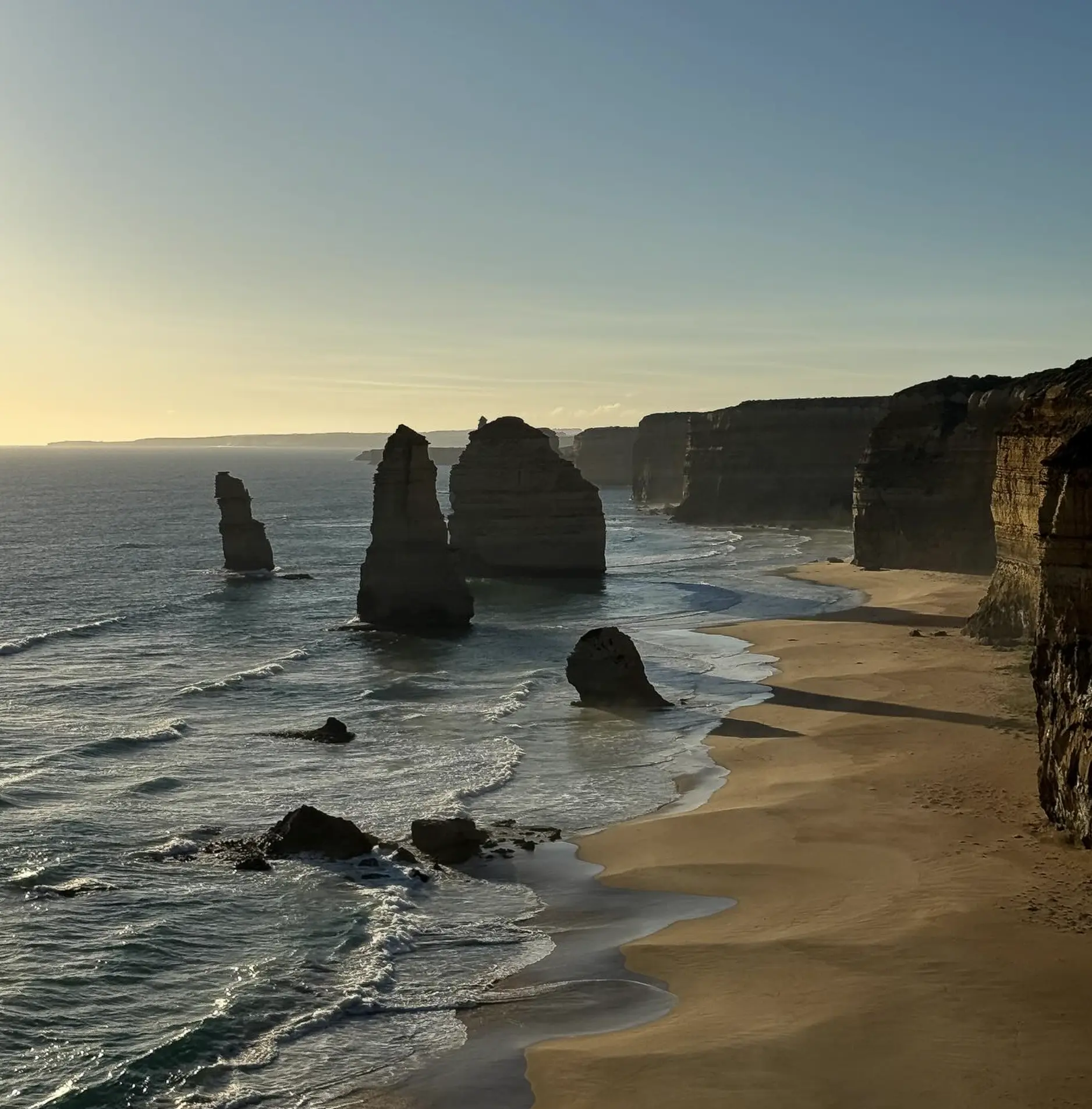
Twelve Apostles
One of Australia’s most famous natural wonders, towering limestone cliffs emerge from the ocean. They’re a top tourist attraction.
Loch Ard Gorge
The story of the famous Loch Ard shipwreck. Explore the gorge, take in the views and enjoy the beach.
Great Otway National Park
Ancient rainforests, native wildlife and ferny gullies. Great for hiking and spotting koalas in the wild.

Bells Beach
World renowned surf spot and one of the famous surf beaches, Bells Beach is for experienced surfers and advanced surfers only.
Port Campbell National Park
Located near the Twelve Apostles, this park has limestone cliffs, coastal formations and natural wonders. A must-see for anyone doing the Great Ocean Road from Melbourne.
Warrnambool
A coastal town with a rich maritime history, beautiful views and access to extinct volcanoes at Tower Hill Wildlife Reserve.
FAQ
How long does it take to drive the Great Ocean Road?
4.5 to 5 hours without stopping. But most people take at least 1 or 2 days to enjoy the views and sightseeing, but to enjoy the full experience join 3 day Great Ocean Road tour by Wildlife Tours.
Can you drive the Great Ocean Road in one day?
Yes, but we recommend at least 2 days to explore the coastline as a day trip can feel rushed and you may miss the natural habitat areas.
Is it better to drive the Great Ocean Road from Melbourne or Adelaide?
Most people start Great Ocean Road tour from Melbourne, as Torquay is the closest airport and just a one-minute drive away. But if you’re coming from Adelaide you can do it in reverse.
When is the best time to visit the Great Ocean Road?
Spring (September-November) and autumn (March-May) are the best times when the weather is mild and the crowds are smaller. The cooler months are perfect for a beach lover looking for fewer crowds and serene coastal views.
Are there guided tours available for the Great Ocean Road?
Yes, many tour operators offer day trips and multi-day trips from Melbourne if you don’t want to drive and want to focus on the views and scenery.